

What Makes an Appliance Smart?
Modern homes are becoming increasingly connected, and smart appliances are leading the way. From refrigerators that remind you to buy groceries to washing machines you can start from your smartphone, these devices are transforming how people manage daily tasks. But what exactly makes an appliance “smart”? Is it simply having Wi-Fi, or is there more behind the technology?
In this guide, we’ll explain what defines a smart appliance, the technologies behind it, its benefits, potential drawbacks, and what to consider before purchasing one.
What Is a Smart Appliance?
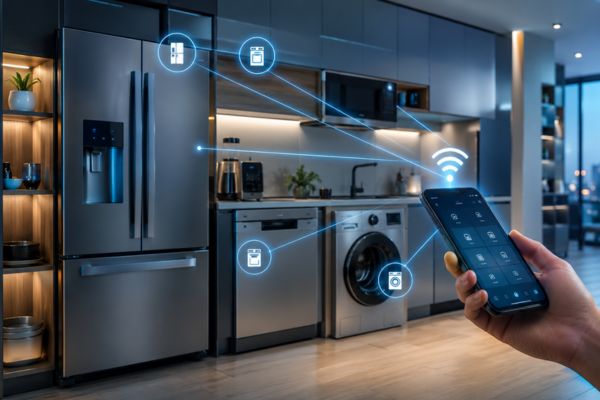
A smart appliance is a household device that connects to the internet or other smart home systems, allowing users to monitor, control, and automate its functions remotely.
Unlike traditional appliances that operate independently, smart appliances communicate with smartphones, tablets, voice assistants, or other connected devices.
Examples include:
- Smart refrigerators
- Smart ovens
- Smart washing machines
- Smart dishwashers
- Smart air conditioners
- Smart vacuum cleaners
- Smart coffee makers
Many smart appliances also integrate with platforms such as Google Home, Amazon Alexa, Apple HomeKit, or Samsung SmartThings, creating a connected smart home ecosystem.
What Makes an Appliance Smart?
Several technologies work together to transform a standard appliance into a smart one.
1. Internet Connectivity
The most fundamental feature is internet connectivity.
Most smart appliances use:
- Wi-Fi
- Bluetooth
- Zigbee
- Thread
- Matter
- Ethernet (less common)
This connection allows the appliance to communicate with mobile apps or cloud services.
Example:
A smart oven can send a notification when dinner is ready.
2. Remote Control
Smart appliances let users operate them from virtually anywhere.
Using a companion mobile app, you can:
- Start or stop a cycle
- Adjust settings
- Check operating status
- Schedule operations
- Receive maintenance alerts
For example, you can start your washing machine before leaving work so your laundry is ready when you arrive home.
3. Sensors
Smart appliances rely on built-in sensors that collect real-time information.
These sensors may detect:
- Temperature
- Humidity
- Motion
- Door status
- Water level
- Weight
- Energy usage
The appliance uses this information to optimize performance automatically.
For instance, a smart dishwasher can adjust water consumption depending on how dirty the dishes are.
4. Artificial Intelligence (AI)
Many premium appliances now include AI features.
AI allows the appliance to learn from your habits and improve efficiency over time.
Examples include:
- Learning preferred cooking temperatures
- Recommending wash cycles
- Predicting maintenance needs
- Optimizing energy consumption
- Suggesting grocery purchases
The longer you use the appliance, the better it understands your routine.
5. Automation
Automation reduces manual work.
Instead of manually operating every function, users can create routines.
Examples:
- Turn on the coffee maker every morning.
- Run the dishwasher overnight.
- Increase air conditioning before arriving home.
- Receive reminders when filters need replacing.
Automation saves both time and energy.
6. Voice Assistant Compatibility
Many smart appliances support voice commands through:
- Google Assistant
- Amazon Alexa
- Apple Siri
Examples include:
“Alexa, preheat the oven to 375 degrees.”
or
“Hey Google, start the dishwasher.”
Hands-free control adds convenience, especially while cooking or multitasking.
7. Software Updates
Unlike conventional appliances, smart appliances can receive firmware updates.
These updates may include:
- New features
- Security improvements
- Bug fixes
- Better energy optimization
- Expanded compatibility
As a result, the appliance continues improving even after purchase.
Common Features of Smart Appliances
Although features vary by product, most smart appliances include:
| Feature | Purpose |
|---|---|
| Wi-Fi Connectivity | Remote access |
| Mobile App | Device control |
| Notifications | Status updates |
| Scheduling | Automatic operation |
| Energy Monitoring | Track electricity usage |
| Voice Control | Hands-free operation |
| Diagnostics | Detect problems early |
| Automation | Smart routines |
| AI Recommendations | Personalized settings |
| Cloud Connectivity | Sync across devices |
Benefits of Smart Appliances
Smart appliances offer more than convenience.
Save Time
Automation handles repetitive tasks.
Examples include:
- Scheduled laundry
- Automatic cooking programs
- Smart grocery reminders
Improve Energy Efficiency
Many smart appliances monitor electricity usage.
Users can:
- Identify high energy consumption
- Schedule operation during off-peak hours
- Optimize appliance settings
This may help reduce monthly utility bills.
Better Convenience
Remote access allows users to manage appliances from almost anywhere.
Whether you’re at work or on vacation, you can:
- Check appliance status
- Receive alerts
- Control settings remotely
Predictive Maintenance
Some appliances detect problems before they become serious.
They may notify you about:
- Dirty filters
- Water leaks
- Component wear
- Required maintenance
Early detection can reduce repair costs.
Enhanced Safety
Smart appliances often include additional safety features such as:
- Automatic shut-off
- Leak detection
- Overheating alerts
- Open-door notifications
These features help protect both your home and your family.
Potential Drawbacks
Despite their advantages, smart appliances aren’t perfect.
Higher Purchase Price
Smart models generally cost more than traditional appliances due to their advanced technology.
Internet Dependence
Some features require an active internet connection.
Although basic functions usually remain available, remote access and automation may be limited during outages.
Privacy Concerns
Connected devices collect usage data to provide personalized experiences.
Choose appliances from reputable manufacturers that regularly release security updates and offer transparent privacy settings.
Compatibility Issues
Not every smart appliance works with every smart home platform.
Before purchasing, confirm compatibility with your preferred ecosystem, such as Google Home, Amazon Alexa, Apple HomeKit, or Samsung SmartThings.
How to Choose a Smart Appliance
When shopping for a smart appliance, consider the following factors:
Connectivity
Look for reliable Wi-Fi support and compatibility with your existing smart home setup.
App Quality
A well-designed app should be intuitive, responsive, and regularly updated.
Ecosystem Compatibility
If you already use smart speakers or other connected devices, choose an appliance that integrates seamlessly.
Energy Efficiency
Look for ENERGY STAR® certification or built-in energy monitoring features to help reduce electricity usage.
Software Support
Manufacturers that provide long-term firmware updates help keep devices secure and compatible with future technologies.
Warranty
A comprehensive warranty offers peace of mind for both hardware and software-related issues.
Are Smart Appliances Worth It?
For many households, the answer is yes.
If you value convenience, automation, energy savings, and remote control, smart appliances can significantly improve your daily routine.
They are especially beneficial for:
- Busy professionals
- Families
- Frequent travelers
- Smart home enthusiasts
- Homeowners looking to improve energy efficiency
However, if you only need basic functionality and have no interest in connected features, a traditional appliance may still be the more cost-effective option.
The Future of Smart Appliances
Smart appliances continue to evolve rapidly.
Emerging innovations include:
- More advanced AI automation
- Better interoperability through the Matter standard
- Improved energy optimization
- Enhanced predictive maintenance
- Greater integration with smart home ecosystems
As these technologies mature, smart appliances are expected to become even more intuitive, efficient, and accessible.
Frequently Asked Questions
What is considered a smart appliance?
A smart appliance is a household device that connects to the internet or a smart home network, allowing users to monitor, control, and automate its functions remotely.
Do smart appliances work without Wi-Fi?
Most smart appliances continue to perform their basic functions without Wi-Fi, but remote control, notifications, and automation features may not be available.
Are smart appliances energy efficient?
Many smart appliances are designed to improve energy efficiency by monitoring usage, optimizing performance, and offering scheduling features to reduce electricity consumption.
Can smart appliances be controlled with a smartphone?
Yes. Most smart appliances include a companion mobile app that lets users monitor, control, and receive notifications from virtually anywhere.
Which smart home systems support smart appliances?
Many smart appliances are compatible with popular platforms such as Google Home, Amazon Alexa, Apple HomeKit, and Samsung SmartThings.
Conclusion
Smart appliances combine internet connectivity, sensors, automation, and intelligent software to make everyday household tasks easier and more efficient. Whether it’s controlling your oven remotely, receiving maintenance alerts, or optimizing energy use, these connected devices offer convenience that traditional appliances simply can’t match.
As smart home technology continues to advance, choosing appliances with reliable connectivity, strong security, and broad ecosystem compatibility can help future-proof your home. Whether you’re upgrading a single device or building a fully connected home, understanding what makes an appliance smart is the first step toward making informed buying decisions.