
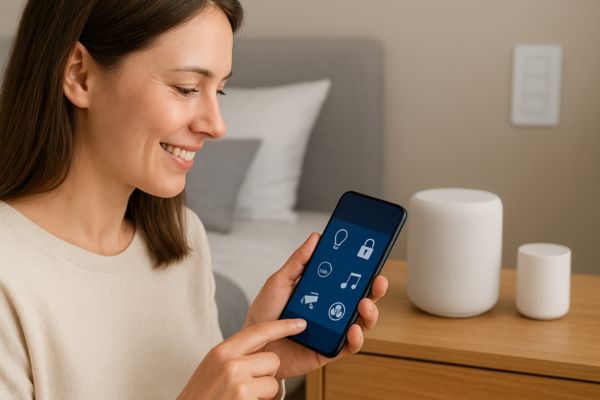
Smart Appliances & Home Management: The Complete Guide (2026)
It wasn’t too long ago when our home appliances were simple you pressed a button, waited, and hoped for the best. Fast forward to today, and your refrigerator might text you when you’re out of milk. Your washing machine knows exactly how dirty your clothes are. And your oven can preheat itself before you even get home. Welcome to the age of smart appliances and home management, where your home isn’t just connected it’s intuitive.
Smart appliances represent the next evolution in home living. They blend technology, automation, and artificial intelligence to help you manage everyday tasks effortlessly. Whether you’re cooking dinner, doing laundry, or vacuuming the floor, these intelligent devices aim to make your life easier, greener, and more connected.
Unlike older “connected gadgets,” today’s smart appliances communicate seamlessly with other systems in your home from voice assistants like Alexa or Google Home to energy management platforms and mobile apps. It’s no longer just about convenience; it’s about creating a lifestyle where your home actively works with you.
📎 Internal link → Smart Home Basics: Beginner Hub
What Makes an Appliance Smart?
So what exactly turns an ordinary appliance into a “smart” one?
A smart appliance is any household device that connects to the internet or a mobile app, allowing you to monitor, control, and automate its functions remotely. These devices often include WiFi connectivity, AI learning, and sensor-based automation that adapts to your preferences over time.
Most modern smart appliances feature:
- Connectivity: WiFi or Bluetooth connection for app control.
- Integration: Compatibility with ecosystems like Alexa, Google Assistant, Apple Home, or Matter.
- Automation: Pre-set routines and AI that learns from your usage patterns.
- Efficiency: Energy and water saving features that reduce consumption intelligently.
For instance, a smart washing machine might automatically choose the right wash cycle based on fabric type, while a smart oven can detect what’s inside and adjust the temperature accordingly.
📎 Internal link → Smart Home Connectivity & Control: The Complete Guide
Everyday Smart Appliances That Make Life Easier
Kitchen Appliances
Your kitchen has officially gone digital and smarter.
From smart fridges that track groceries and expiration dates to connected ovens that preheat themselves before you walk through the door, smart kitchen appliances bring automation straight to your cooking routine.
A few standouts include:
- Smart Fridge: Sends notifications when food runs low and suggests recipes based on what’s inside.
- Smart Oven: Controlled via app or voice; some models even feature internal cameras to monitor your meal.
- Smart Coffee Maker: Starts brewing as soon as your alarm goes off.
- Connected Dishwasher: Syncs with your phone to run cycles during off-peak hours for energy savings.
Smart kitchen devices don’t just make cooking easier they help reduce waste, manage energy, and streamline your daily routine. Imagine receiving a ping from your fridge that says: “You’re out of eggs should I add them to your grocery list?”
📎 Internal link → Smart Kitchen Devices: The Essentials
Cleaning & Laundry
If there’s one place where smart technology shines, it’s cleaning and laundry.
Robot vacuums and mops have become household staples, mapping your floor layout and cleaning automatically while you’re away. Smart washing machines and dryers go even further using sensors to measure fabric weight, soil level, and water temperature.
Some advanced models can even self-diagnose maintenance issues, sending alerts when a filter needs cleaning or a hose starts leaking.
Smart laundry and cleaning devices help you reclaim your time because who wouldn’t want their floors cleaned and laundry done while they’re binge-watching a favorite show?
📎 Internal link → Best Smart Vacuums 2025
Climate & Comfort
Comfort isn’t just about temperature anymore it’s about creating the perfect indoor environment.
Smart air conditioners, purifiers, and humidifiers can automatically adjust based on weather data or your personal preferences. Many models connect with smart thermostats, learning when you’re home or away to balance comfort and energy efficiency.
For example, a smart AC can pre-cool your home before you arrive or lower energy usage during peak hours. Combined with automation routines, you can come home to a perfectly comfortable space every time.
📎 Internal link → Smart Home Comfort & Lifestyle: The Complete Guide
Benefits Beyond Convenience
Smart appliances go far beyond cool tech tricks they redefine how you live.
1. Energy Efficiency & Cost Savings
Most smart appliances are designed with energy-saving features and eco-modes, reducing electricity and water consumption. Over time, these savings can offset the initial investment.
2. Predictive Maintenance & Durability
Modern smart devices detect performance issues early. You’ll get alerts like “clean lint filter” or “check water hose” before small problems turn into costly repairs.
3. Sustainability & Greener Living
Smart appliances optimize their cycles for minimal waste whether it’s adjusting water usage during laundry or defrosting food efficiently in the fridge.
4. Comfort & Peace of Mind
Knowing your home is running efficiently while you’re away brings a level of reassurance that traditional appliances can’t match.
📎 Internal link → Smart Home Energy & Efficiency: The Complete Guide
Managing It All: Home Management Apps & Dashboards
Imagine managing every appliance in your home from one dashboard. That’s what modern home management apps deliver.
Platforms like Samsung SmartThings, LG ThinQ, GE SmartHQ, and Amazon Alexa allow you to integrate multiple devices even from different brands into one seamless ecosystem.
These apps let you:
- Create automation routines (like starting the laundry when energy rates drop).
- Receive real-time updates on maintenance or usage.
- Control everything via voice or smartphone.
The future of home management lies in AI-driven dashboards, where your appliances communicate with each other optimizing energy use and predicting your needs before you do.
📎 Internal link → Smart Home Hubs Explained
Real Life Scenarios: The Fully Managed Home
Picture this:
You wake up, and your smart coffee maker starts brewing. The robot vacuum quietly sweeps the living room while your washing machine finishes a load of laundry.
While you’re at work, your smart oven preheats itself, and your fridge checks what’s missing for dinner. The dishwasher waits until late evening when electricity rates are lowest and the air purifier automatically adjusts as air quality changes.
This is the power of home automation for appliances it’s not about having fancy gadgets; it’s about building a lifestyle that gives you time back.
📎 Internal link → Smart Home Lifestyle Routines
How to Choose the Right Smart Appliances
When upgrading, don’t just pick what looks futuristic choose what fits your lifestyle and ecosystem.
Here’s what to consider:
- Compatibility: Ensure your devices work with your preferred smart home ecosystem (Alexa, Google Home, Matter).
- App Ecosystem: Check if the brand offers a unified app like LG ThinQ or SmartThings.
- Energy Star Rating: Look for certified energy-efficient models.
- Warranty & Support: Smart appliances are long-term investments; reliable customer support matters.
- User Interface: Choose devices with intuitive controls no one wants to read a manual every time they do laundry.
📎 Internal link → Best Smart Appliances for Every Budget
What’s Next for Smart Appliances
The next wave of smart appliances will blur the line between devices and digital assistants.
Expect AI-driven automation that not only follows routines but also predicts your needs — for instance, a washing machine that schedules itself based on your calendar, or a fridge that orders groceries automatically.
Predictive maintenance will evolve too: appliances will diagnose themselves, contact service centers, and even schedule repairs autonomously.
Then there’s the rise of home robotics multi-tasking machines that clean, cook, or even deliver laundry between rooms. Combined with energy optimization AI, your home will soon operate like a small ecosystem self-sufficient, sustainable, and smart.
📎 Internal link → Future of Smart Home Technology 2025
FAQ Smart Appliances & Home Management
Final Thoughts
Smart appliances and home management systems are transforming how we live combining convenience, efficiency, and sustainability in ways we couldn’t imagine a decade ago.
Whether you’re automating your kitchen, upgrading your laundry setup, or simply looking to save energy, these devices are your allies in building a home that’s not only connected but thoughtful.
The best part? You don’t have to be tech-savvy to enjoy it. Start small maybe with a smart washer or coffee maker — and watch your home evolve into a place that practically runs itself.