

Benefits of Voice Assistants in Daily Life
Disclosure: Some links here are affiliate links. We may earn a commission at no extra cost to you. As an Amazon Associate, AutomateVerge earns from qualifying purchases. Read our affiliate disclosure.
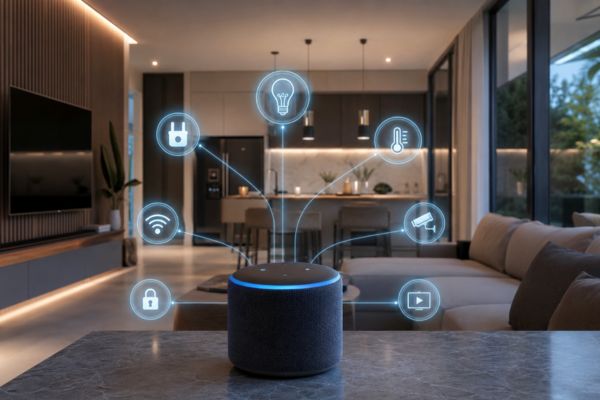
Benefits Voice assistants have evolved from simple tools that answer questions into intelligent digital companions capable of managing homes, organizing schedules, and streamlining everyday tasks. Whether you’re asking for tomorrow’s weather, controlling smart lights, or setting reminders while cooking, voice assistants save time and simplify routines.
Powered by artificial intelligence (AI) and natural language processing (NLP), today’s voice assistants understand spoken commands more accurately than ever before. Popular platforms like Amazon Alexa, Google Assistant, Apple Siri, and Samsung Bixby are integrated into millions of smartphones, smart speakers, TVs, and connected home devices.
This guide explores the biggest benefits of voice assistants in daily life and explains why they have become an essential part of modern smart homes.
What Is a Voice Assistant?
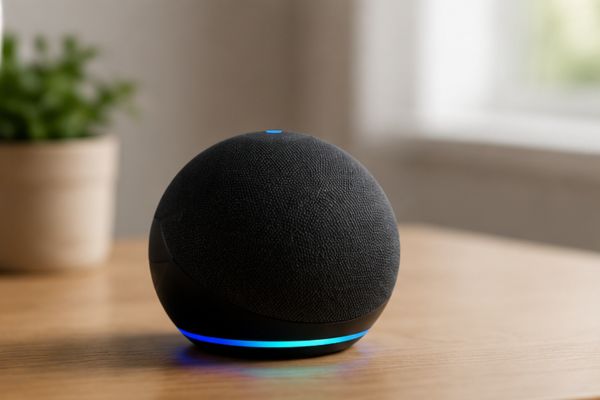
A voice assistant is an AI-powered software application that understands spoken language and performs requested actions. Instead of typing commands, users simply speak naturally.
Common voice assistants can:
- Answer questions
- Set alarms and reminders
- Control smart home devices
- Play music
- Send messages
- Make phone calls
- Provide weather updates
- Manage shopping lists
- Control entertainment systems
These assistants continuously improve through machine learning, becoming better at understanding speech patterns and user preferences.
1. Hands-Free Convenience
Perhaps the biggest advantage is completely hands-free operation.
Whether you’re:
- Cooking dinner
- Driving
- Cleaning
- Exercising
- Carrying groceries
You can simply speak commands without touching your phone.
Examples include:
- “Set a timer for 20 minutes.”
- “Call Mom.”
- “Turn on the kitchen lights.”
This convenience saves time and keeps your hands available for other tasks.
2. Better Smart Home Control
Voice assistants serve as the central control system for smart homes.
Instead of opening multiple apps, you can control:
- Smart lights
- Smart thermostats
- Smart plugs
- Security cameras
- Smart locks
- Robot vacuums
- Ceiling fans
- Curtains
You can even create routines such as:
Good Morning
- Turn on lights
- Open blinds
- Start coffee maker
- Read weather forecast
- Play morning news
Everything happens with one voice command.
3. Increased Productivity
Voice assistants help users stay organized throughout the day.
Useful productivity features include:
- Calendar management
- Appointment reminders
- Daily schedules
- Shopping lists
- Grocery lists
- Timers
- Notes
- To-do lists
Instead of stopping what you’re doing, simply speak your reminder.
4. Faster Information Access
Instead of searching online, voice assistants provide instant answers.
Common requests include:
- Weather forecasts
- Traffic conditions
- Sports scores
- Unit conversions
- Definitions
- Recipes
- News headlines
- General knowledge
This reduces screen time and speeds up information retrieval.
5. Entertainment Made Simple
Voice assistants make entertainment more enjoyable.
You can instantly:
- Play music
- Skip songs
- Adjust volume
- Stream podcasts
- Listen to audiobooks
- Control smart TVs
- Find movies
- Launch streaming services
Voice control eliminates the need for multiple remote controls.
6. Improved Accessibility
Voice assistants greatly improve accessibility for:
- Seniors
- People with disabilities
- Individuals with limited mobility
- Visually impaired users
They can perform daily tasks through voice commands without requiring physical interaction.
Examples include:
- Reading messages aloud
- Making emergency calls
- Controlling lights
- Locking doors
- Setting medication reminders
7. Better Time Management
Busy schedules become easier to manage.
Voice assistants can:
- Wake you up
- Schedule meetings
- Remind you about deadlines
- Track appointments
- Create recurring reminders
This reduces the chance of forgetting important tasks.
8. Enhanced Home Security
Many voice assistants integrate with smart security systems.
Users can:
- View security cameras
- Lock doors
- Check alarms
- Receive security alerts
- Activate away mode
Some systems even announce when someone rings the smart doorbell.
9. Energy Savings
Voice assistants help reduce energy consumption by controlling connected devices efficiently.
Examples include:
- Turning off unused lights
- Adjusting thermostats
- Scheduling appliances
- Managing smart plugs
These automations can help lower electricity bills over time.
10. Simplified Shopping
Shopping becomes much easier.
Users can:
- Add groceries
- Reorder products
- Compare prices
- Track deliveries
- Manage shopping lists
This is particularly useful for busy families.
11. Better Family Organization
Voice assistants support shared calendars and household reminders.
Family members can coordinate:
- School schedules
- Grocery lists
- Events
- Chores
- Appointments
Everyone stays informed.
12. Learning and Education
Students and lifelong learners benefit from instant educational support.
Voice assistants can:
- Spell words
- Solve math problems
- Translate languages
- Explain concepts
- Read stories
- Answer homework questions
They serve as valuable learning companions.
13. Health and Wellness Support
Many assistants promote healthier lifestyles.
Examples include:
- Workout timers
- Guided meditation
- Sleep sounds
- Water reminders
- Medication alerts
- Fitness tracking integrations
While they are not medical devices, they encourage healthier daily habits.
14. Seamless Multi Device Integration
Modern ecosystems synchronize across devices.
For example:
- Smartphone
- Tablet
- Smart speaker
- Smart TV
- Smartwatch
- Car infotainment system
Your reminders, music, and schedules stay synchronized everywhere.
15. Continuous Improvement Through AI
Unlike traditional software, AI-powered assistants continue learning over time.
They become better at:
- Understanding accents
- Recognizing preferences
- Suggesting routines
- Personalizing recommendations
Future updates will make them even more capable.
Are Voice Assistants Safe?
Voice assistants generally include privacy controls that allow users to:
- Delete voice recordings
- Disable microphones
- Stored activity
- Limit data sharing
Users should regularly privacy settings and keep devices updated to ensure maximum security.
Tips for Getting the Most from a Voice Assistant
To maximize your experience:
- Create custom routines.
- Connect compatible smart home devices.
- Use voice shortcuts.
- Keep software updated.
- Privacy settings regularly.
- Enable multi-user voice recognition.
Frequently Asked Questions (FAQ)
Do voice assistants require the internet?
Yes. Most voice assistants rely on cloud processing, although some basic commands may work offline.
Which voice assistant is best?
The best option depends on your ecosystem. Alexa excels in smart homes, Google Assistant offers superior search capabilities, while Siri integrates seamlessly with Apple devices.
Can voice assistants control all smart home devices?
Most modern smart devices support one or more major voice assistant platforms, but compatibility should always be verified before purchasing.
Are voice assistants always listening?
They continuously monitor for wake words such as “Alexa” or “Hey Google.” Most devices allow microphone muting for additional privacy.
Conclusion
Voice assistants have become indispensable tools for modern living. From managing daily schedules and controlling smart homes to improving accessibility and saving energy, these AI powered assistants simplify countless everyday tasks.
As artificial intelligence continues to advance, voice assistants will become even more personalized, accurate, and capable, making them an increasingly valuable part of connected homes and digital lifestyles.