

What Is a Smart Home? A Complete Beginner’s Guide to Smart Living
Smart homes are no longer a futuristic concept. Today, millions of homeowners use connected devices to control lighting, security, appliances, and entertainment systems with just a smartphone or voice command. But what exactly is a smart home, and why is it becoming so popular?
In this guide, you’ll learn what a smart home is, how it works, the most common smart devices, and the benefits of turning your house into an intelligent living space.
What Is a Smart Home?
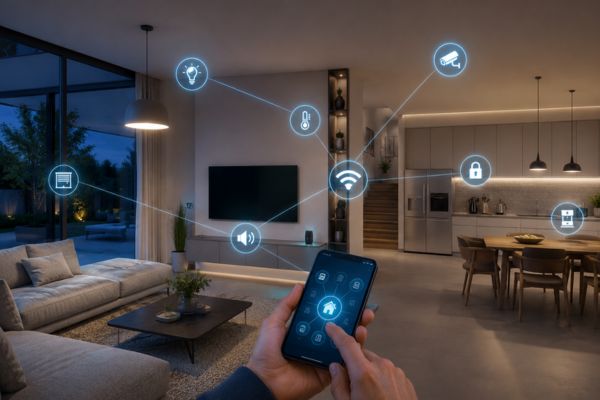
A smart home is a residence equipped with internet-connected devices that can be monitored, controlled, and automated remotely. These devices communicate with each other through a network, allowing homeowners to manage various functions such as lighting, temperature, security, and appliances more efficiently.
In simple terms, a smart home uses technology to make everyday living easier, safer, and more convenient.
For example, you can:
- Turn off lights using your smartphone.
- Adjust the thermostat before arriving home.
- Lock or unlock doors remotely.
- Receive alerts when motion is detected.
- Schedule appliances to run automatically.
These features create a connected ecosystem designed to improve comfort and simplify daily routines.
How Does a Smart Home Work?
A smart home works by connecting devices through the internet or wireless technologies such as:
- Wi-Fi
- Bluetooth
- Zigbee
- Z-Wave
- Matter
Most smart devices are managed through a mobile app, allowing users to control them from anywhere with an internet connection.
Many homes also use a smart hub or voice assistant to connect multiple devices into one centralized system. This allows users to create automations such as:
- Turning lights on automatically at sunset.
- Adjusting room temperature based on occupancy.
- Locking doors every night at a specific time.
- Starting a robot vacuum when no one is home.
These automated actions reduce manual tasks and improve energy efficiency.
Key Components of a Smart Home
1. Smart Lighting
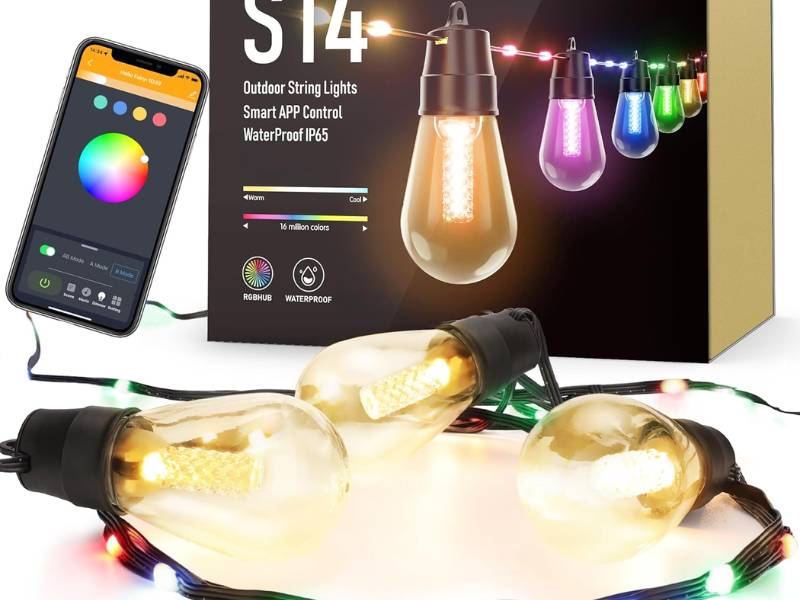
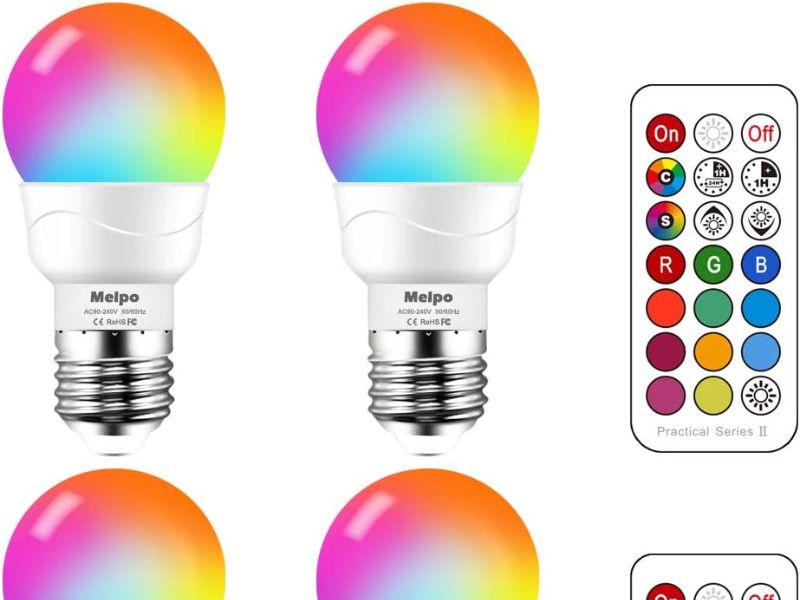
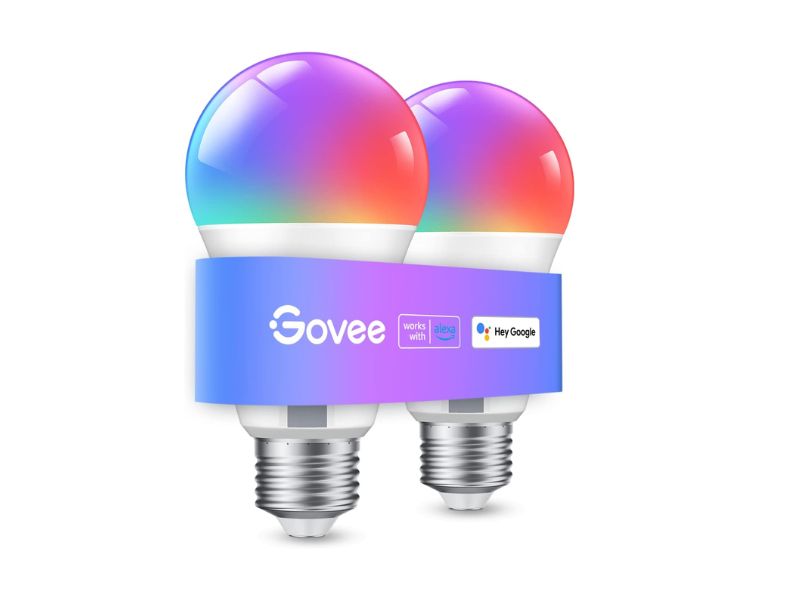
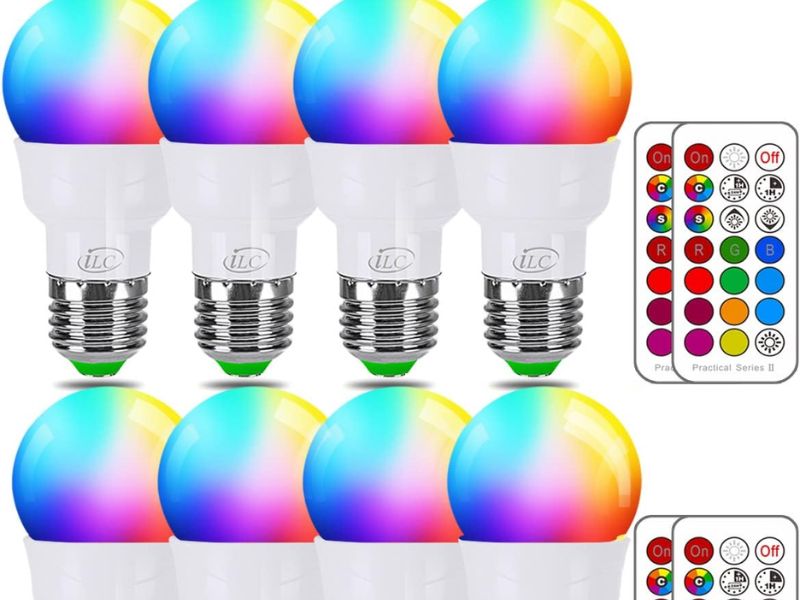
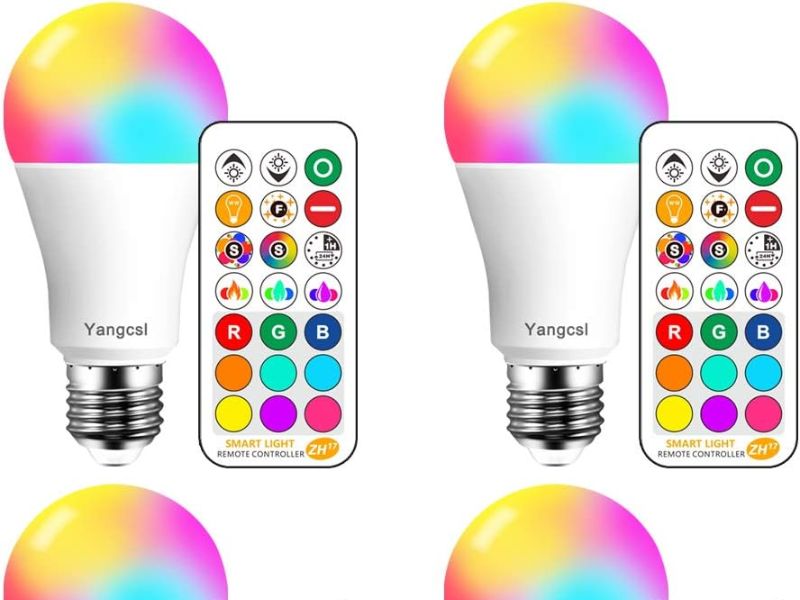
Smart bulbs and switches allow you to control brightness, color, and schedules remotely.
Features include:
- Dimming lights from your phone
- Creating lighting scenes
- Motion-activated lighting
- Energy-saving schedules
2. Smart Security Systems
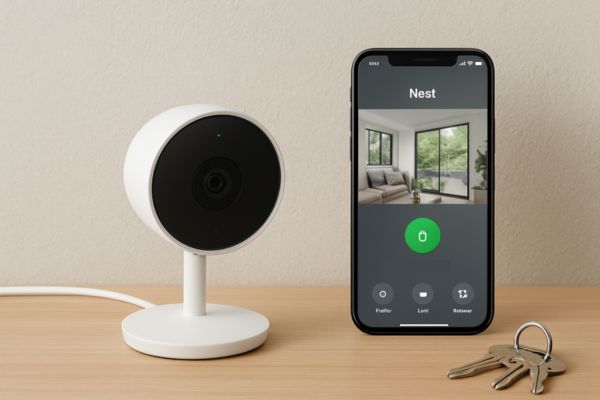
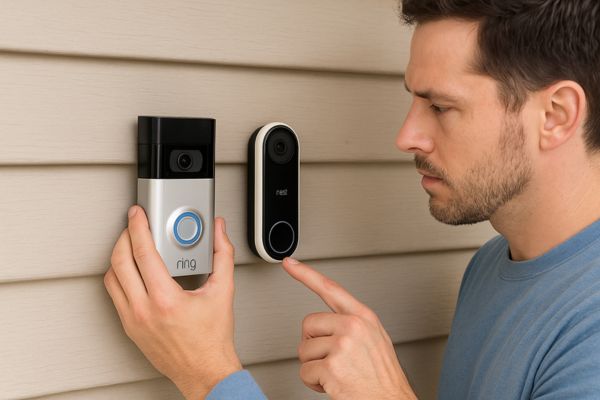
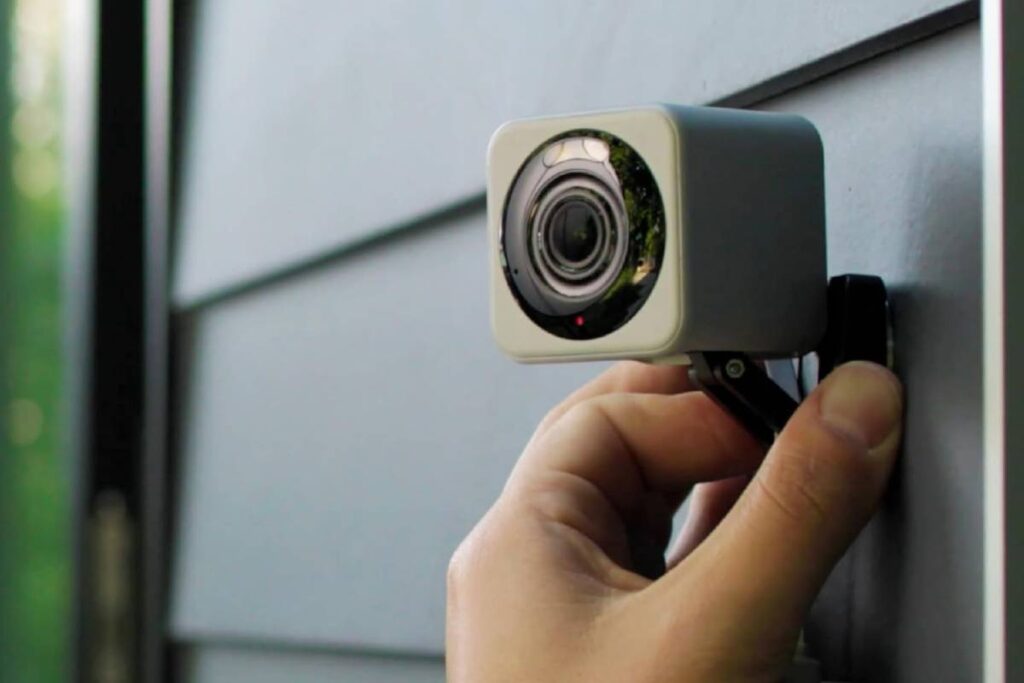
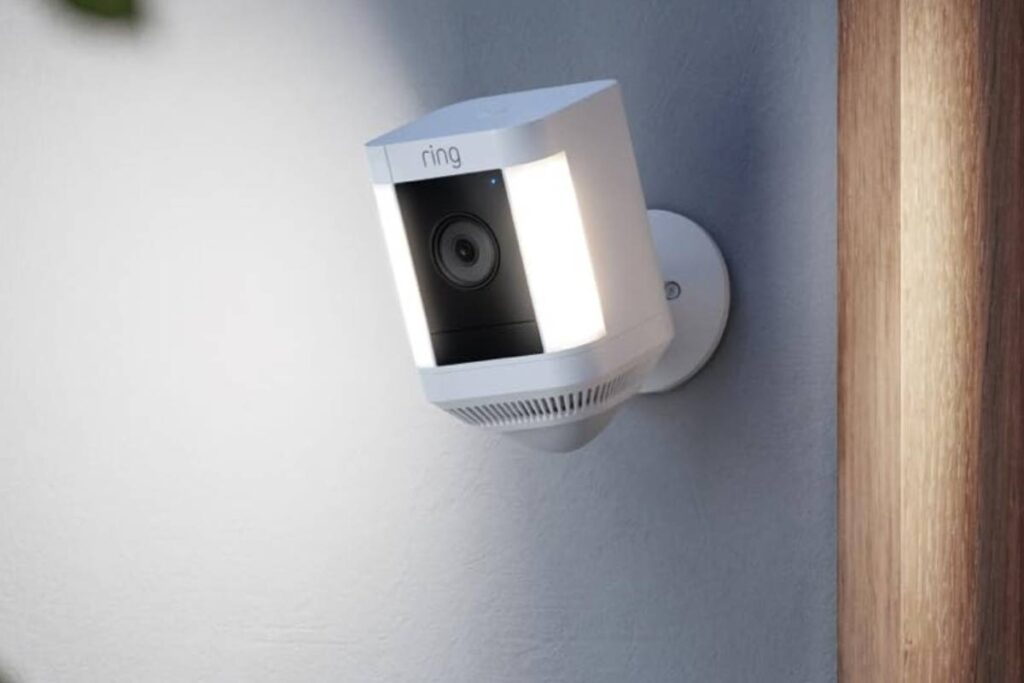
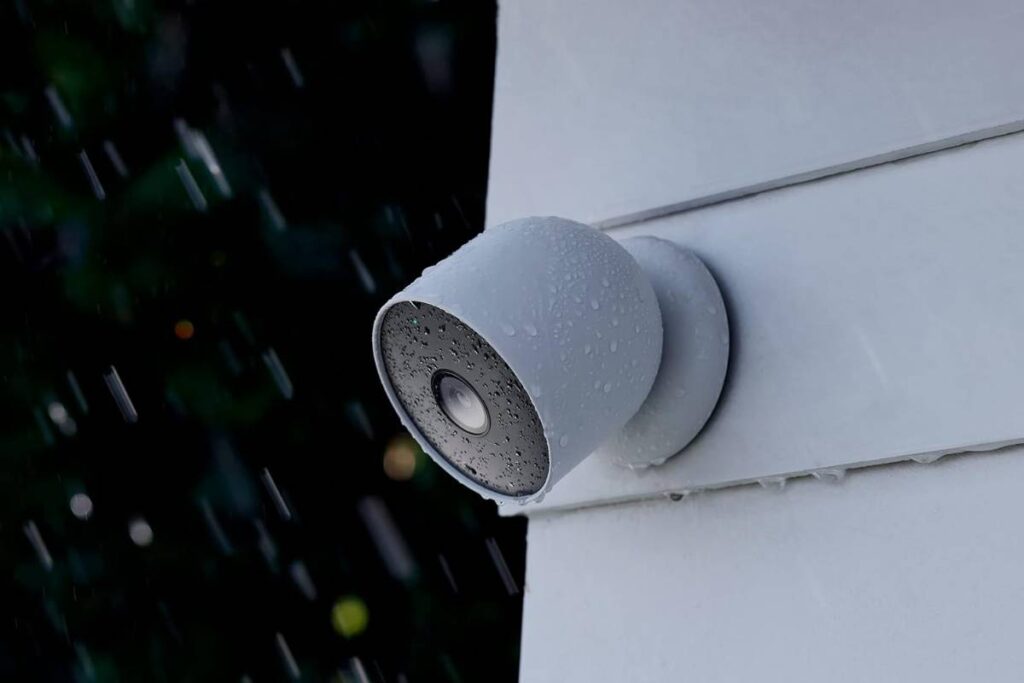
Smart security devices help protect your home through:
- Video doorbells
- Indoor and outdoor cameras
- Motion sensors
- Smart locks
- Real-time alerts
You can monitor your property remotely and receive notifications whenever unusual activity is detected.
3. Smart Thermostats
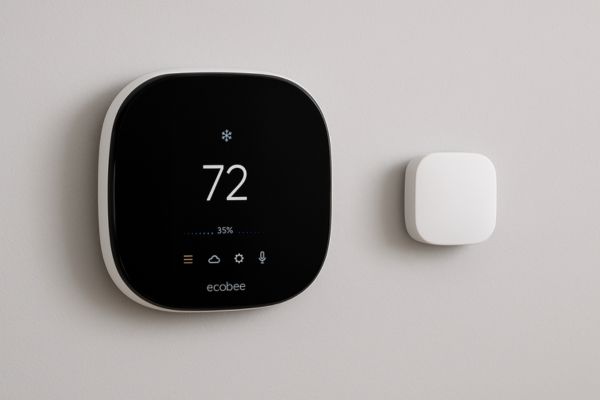
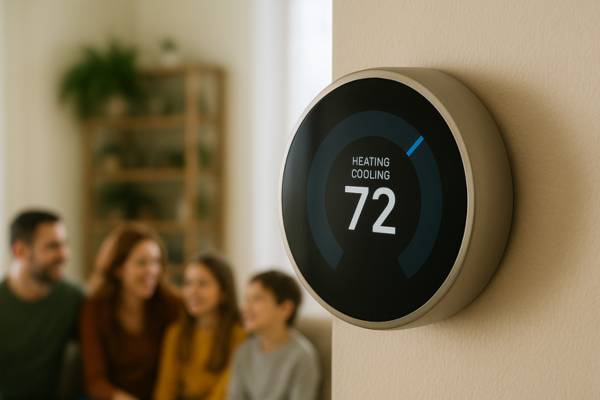
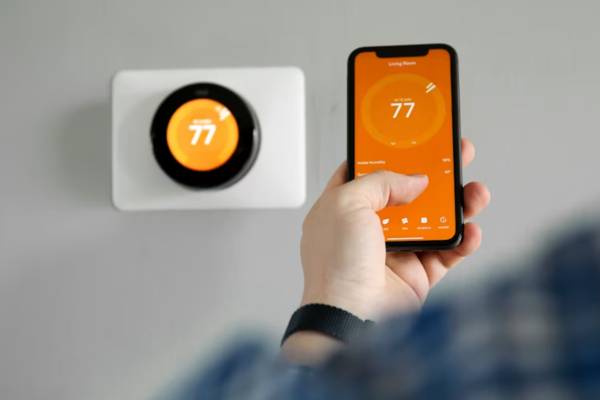
Smart thermostats automatically regulate heating and cooling based on your preferences and daily habits.
Benefits include:
- Lower energy consumption
- Remote temperature control
- Personalized schedules
- Energy usage reports
4. Smart Appliances
Modern appliances are becoming smarter and more connected than ever.
Examples include:
- Smart washing machines
- Smart ovens
- Smart coffee makers
- Smart dishwashers
- Smart refrigerators
A smart refrigerator, for example, can monitor food inventory, suggest recipes, display calendars, and even allow you to see what’s inside without opening the door.
5. Smart Entertainment
Entertainment systems can also be integrated into a smart home ecosystem.
These include:
- Smart TVs
- Wireless speakers
- Streaming devices
- Multi-room audio systems
Users can control music and videos through voice commands or mobile apps.
Benefits of a Smart Home
Convenience
One of the biggest advantages is convenience. Instead of manually controlling each device, homeowners can automate daily tasks and manage everything from a single app.
Enhanced Security
Smart cameras, doorbells, and locks provide real-time monitoring and instant notifications, helping homeowners stay informed wherever they are.
Energy Efficiency
Smart homes help reduce energy waste by:
- Automatically turning off lights
- Adjusting heating and cooling
- Monitoring electricity consumption
- Optimizing appliance usage
This can lead to lower utility bills over time.
Increased Comfort
Imagine waking up to lights that gradually brighten, coffee brewing automatically, and your favorite playlist starting as you enter the kitchen. Smart homes create personalized experiences that improve everyday living.
Remote Access
Whether you’re at work or traveling abroad, you can monitor and control your home from anywhere using your smartphone.
Popular Smart Home Devices
If you’re new to smart home technology, these are excellent devices to start with:
Smart Speakers
Smart speakers act as voice assistants and can control multiple connected devices.
Popular features include:
- Playing music
- Setting reminders
- Controlling lights
- Answering questions
- Managing routines
Smart Bulbs
These bulbs allow users to:
- Change colors
- Adjust brightness
- Create schedules
- Control lighting remotely
Installation is usually simple and does not require special wiring.
Smart Plugs
Smart plugs convert traditional appliances into smart devices by allowing remote on/off control and scheduling.
They’re an affordable entry point for beginners.
Smart Cameras
Indoor and outdoor cameras provide:
- Live video streaming
- Motion detection
- Cloud storage
- Mobile alerts
These devices help improve home security and peace of mind.
Smart Home Automation Examples
Here are a few practical automation ideas:
Morning Routine
At 6:30 AM:
- Lights gradually turn on.
- Coffee maker starts brewing.
- Bedroom blinds open automatically.
- Weather information is announced through a smart speaker.
Away Mode
When you leave home:
- Doors lock automatically.
- Lights turn off.
- Security cameras activate.
- Thermostat switches to energy-saving mode.
Bedtime Routine
At night:
- All lights turn off.
- Doors lock automatically.
- Security system arms itself.
- Bedroom temperature adjusts for sleeping.
Are Smart Homes Safe?
Yes, smart homes can be very safe when properly configured.
Here are some security tips:
- Use strong passwords.
- Enable two-factor authentication.
- Update device firmware regularly.
- Secure your Wi-Fi network.
- Purchase devices from trusted brands.
Cybersecurity is an important aspect of maintaining a safe and reliable smart home ecosystem.
How to Start Building a Smart Home
You don’t need to automate your entire house at once.
A beginner-friendly approach is:
- Start with smart bulbs.
- Add smart plugs.
- Install a smart speaker.
- Upgrade to smart cameras or doorbells.
- Expand with smart appliances and automation routines.
This gradual approach keeps costs manageable while allowing you to learn how different devices work together.
The Future of Smart Homes
The future of smart homes is becoming increasingly intelligent. Advances in artificial intelligence, machine learning, and the Internet of Things (IoT) are enabling homes to anticipate users’ needs and make decisions automatically.
Future innovations may include:
- AI-powered home assistants
- Predictive energy management
- Health-monitoring smart devices
- More seamless device compatibility
- Enhanced sustainability features
As technology evolves, smart homes will continue to become more efficient, secure, and personalized.
Conclusion
A smart home is more than just a collection of connected gadgets. It is an integrated ecosystem designed to improve convenience, security, energy efficiency, and overall quality of life.
Whether you start with a single smart bulb or build a fully automated home, smart technology offers countless ways to simplify everyday living. As devices become more affordable and easier to use, creating a smart home is becoming an achievable goal for homeowners around the world.