
Video Doorbells Explained: What You Should Know
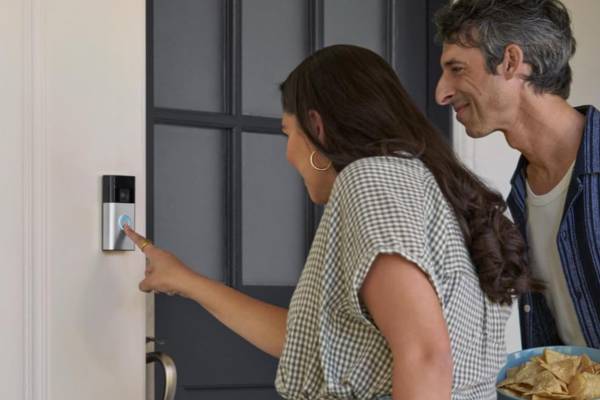
Smart home technology has transformed everyday living, and nowhere is this more obvious than at the front door. Video doorbells once a niche gadget, are now one of the most popular smart home automation. They’re not just doorbells anymore; they’re mini security systems, communication tools, and delivery helpers rolled into one.
This guide takes a deep dive into what video doorbells are, how they work, their features, benefits, limitations, and whether they’re worth your money. By the end, you’ll know if this device deserves a spot in your smart home setup.
What Is a Video Doorbell?
A video doorbell is a modern twist on the classic doorbell. Instead of only ringing to let you know someone’s at the door, it has a built-in camera, microphone, speaker, and wireless connectivity that links to your smartphone or smart display. With it, you can:
- See who’s at your door in real time.
- Talk to visitors through two-way audio.
- Get alerts when motion is detected, even if no one rings.
- Review video recordings for missed visits or suspicious activity.
How It Differs from a Traditional Doorbell
A traditional doorbell is simple: someone presses a button, and you hear a chime inside your home. It doesn’t tell you who is there, whether it’s safe to open the door, or if a package was just dropped off.
A video doorbell, on the other hand, provides eyes and ears at your doorstep. It acts as a basic surveillance system, giving you peace of mind and more control over what happens at your entryway.
How Do Video Doorbells Work?
At its core, a video doorbell is a combination of sensors and connectivity. Here’s the typical process:
- Activation – Either someone presses the button or the motion sensor detects movement.
- Capture – The camera records video, and the microphone captures audio.
- Connection – Using Wi-Fi, the footage is sent to your phone or smart display.
- Notification – You receive an alert almost instantly.
- Interaction – You can view the video feed, talk to the person, or review the recording later.
Wired vs Wireless Video Doorbells
- Wired models connect to your existing doorbell wiring. They’re reliable, never run out of power, and often look sleeker. But installation can be tricky and may require professional help.
- Wireless (battery powered) models are easier to install since you don’t need wiring. The trade-off is you’ll need to recharge or replace batteries every few weeks or months, depending on usage.
Both options connect over Wi-Fi, so internet stability is key for smooth performance.
How They Connect to Your Phone/Smart Home
Most video doorbells come with a dedicated app. With it, you can:
- Watch live video at any time.
- Rewind recordings (if storage is enabled).
- Adjust settings like motion sensitivity.
- Link the doorbell to smart assistants (Alexa, Google Assistant, Siri).
For example, with Amazon Alexa, you can say: “Alexa, show me the front door” and view the feed on an Echo Show or Fire TV.
Key Features of Smart Video Doorbells
Different models offer different bells and whistles, but here are the most important features to know about:
1. Motion Detection
Motion sensors trigger recordings when activity is detected. Advanced systems let you customize motion zones so passing cars or neighbors walking by don’t spam your notifications.
2. Two Way Audio
This feature allows real-time conversation. You can ask the delivery driver to place a package somewhere safe or even scare off a stranger by letting them know you’re watching.
3. Cloud vs Local Storage
- Cloud storage saves recordings to remote servers and lets you access them from anywhere. Usually requires a monthly subscription.
- Local storage uses an SD card or hub in your home. It’s cheaper long term but limited in capacity and vulnerable to theft if the device is tampered with.
4. Night Vision & Wide Angle View
Most models include infrared night vision for low light recording and wide angle lenses to capture a broader field of view. These are critical for 24/7 monitoring.
Benefits of Installing a Video Doorbell
Video doorbells are popular for good reasons. Here are some of the biggest advantages:
1. Security & Safety
- Serves as a visual deterrent to burglars.
- Provides evidence in case of theft or suspicious activity.
- Lets you verify who’s knocking before opening the door.
2. Convenience for Deliveries & Guests
- You won’t miss packages you can direct drivers in real time.
- Perfect for frequent guests, babysitters, or cleaners—see when they arrive.
- Reduces unnecessary trips to the door when solicitors show up.
Some homeowners also report feeling safer when traveling, knowing they can still monitor their front door remotely.
Downsides & Privacy Concerns
While video doorbells are helpful, they’re not without drawbacks.
Hacking & Data Risks
Like all connected devices, they can be hacked if not secured properly. Privacy groups, like the Electronic Frontier Foundation, warn that video footage could be misused by companies or even shared with authorities without consent.
Ways to protect yourself:
- Use strong, unique passwords.
- Enable two-factor authentication.
- Keep your app and firmware updated.
- Adjust privacy zones so you’re not recording neighbors unintentionally.
Subscription Costs for Cloud Storage
Most doorbells work “out of the box,” but to unlock advanced features like unlimited video history or person detection, you’ll need a subscription. Prices usually range from $3 to $10 per month, which adds up over time.
If you’re budget-conscious, look for models that support local storage or free cloud plans.
Are Video Doorbells Worth It?
The million dollar question: should you buy one?
Who Should Consider One
- Families with kids – Keep track of children coming and going.
- Frequent online shoppers – Protect packages and deter porch pirates.
- Urban dwellers – Adds extra security in dense neighborhoods.
- Travelers – Peace of mind when away from home.
When a Smart Doorbell Might Not Be Necessary
- If you live in a secure apartment complex that already has surveillance.
- If your home rarely receives deliveries or visitors.
- If ongoing subscription fees aren’t in your budget.
In short, video doorbells aren’t essential for everyone, but for many households, they strike a good balance between security and convenience.
Frequently Asked Questions (FAQ)
Next Steps
If this guide sparked your interest, here are some resources to help you dive deeper:
- Explore How to Choose the Right Smart Security Camera for Your Home for a broader look at indoor and outdoor cameras.
- Compare models directly in our Ring vs Nest Doorbell Comparison.
- Learn more at our Security & Safety pillar page, which covers everything from smart locks to alarm systems.
External Resources
For further reading:
- Consumer Reports – Video Doorbell Testing
- Electronic Frontier Foundation – Smart Device Privacy Concerns
- CNET – Video Doorbell Buying Guide
The Bottom Line on Smart Video Doorbells
Video doorbells are more than just gadgets they’re tools that enhance both home security and daily convenience. They help deter crime, reduce missed deliveries, and let you answer the door from anywhere. Yes, they come with potential privacy issues and recurring costs, but for many homeowners, the benefits far outweigh the downsides.
If you value safety, awareness, and the ability to stay connected to your home even when you’re away, a video doorbell may be one of the smartest investments you can make.Video Doorbells Explained: What You Should Know
Smart home technology has transformed everyday living, and nowhere is this more obvious than at the front door. Video doorbells once a niche gadget, are now one of the most popular smart home automation. They’re not just doorbells anymore; they’re mini security systems, communication tools, and delivery helpers rolled into one.
This guide takes a deep dive into what video doorbells are, how they work, their features, benefits, limitations, and whether they’re worth your money. By the end, you’ll know if this device deserves a spot in your smart home setup.
What Is a Video Doorbell?
A video doorbell is a modern twist on the classic doorbell. Instead of only ringing to let you know someone’s at the door, it has a built-in camera, microphone, speaker, and wireless connectivity that links to your smartphone or smart display. With it, you can:
- See who’s at your door in real time.
- Talk to visitors through two-way audio.
- Get alerts when motion is detected, even if no one rings.
- Review video recordings for missed visits or suspicious activity.
How It Differs from a Traditional Doorbell
A traditional doorbell is simple: someone presses a button, and you hear a chime inside your home. It doesn’t tell you who is there, whether it’s safe to open the door, or if a package was just dropped off.
A video doorbell, on the other hand, provides eyes and ears at your doorstep. It acts as a basic surveillance system, giving you peace of mind and more control over what happens at your entryway.
How Do Video Doorbells Work?
At its core, a video doorbell is a combination of sensors and connectivity. Here’s the typical process:
- Activation – Either someone presses the button or the motion sensor detects movement.
- Capture – The camera records video, and the microphone captures audio.
- Connection – Using Wi-Fi, the footage is sent to your phone or smart display.
- Notification – You receive an alert almost instantly.
- Interaction – You can view the video feed, talk to the person, or review the recording later.
Wired vs Wireless Video Doorbells
- Wired models connect to your existing doorbell wiring. They’re reliable, never run out of power, and often look sleeker. But installation can be tricky and may require professional help.
- Wireless (battery powered) models are easier to install since you don’t need wiring. The trade-off is you’ll need to recharge or replace batteries every few weeks or months, depending on usage.
Both options connect over Wi-Fi, so internet stability is key for smooth performance.
How They Connect to Your Phone/Smart Home
Most video doorbells come with a dedicated app. With it, you can:
- Watch live video at any time.
- Rewind recordings (if storage is enabled).
- Adjust settings like motion sensitivity.
- Link the doorbell to smart assistants (Alexa, Google Assistant, Siri).
For example, with Amazon Alexa, you can say: “Alexa, show me the front door” and view the feed on an Echo Show or Fire TV.
Key Features of Smart Video Doorbells
Different models offer different bells and whistles, but here are the most important features to know about:
1. Motion Detection
Motion sensors trigger recordings when activity is detected. Advanced systems let you customize motion zones so passing cars or neighbors walking by don’t spam your notifications.
2. Two Way Audio
This feature allows real-time conversation. You can ask the delivery driver to place a package somewhere safe or even scare off a stranger by letting them know you’re watching.
3. Cloud vs Local Storage
- Cloud storage saves recordings to remote servers and lets you access them from anywhere. Usually requires a monthly subscription.
- Local storage uses an SD card or hub in your home. It’s cheaper long term but limited in capacity and vulnerable to theft if the device is tampered with.
4. Night Vision & Wide Angle View
Most models include infrared night vision for low light recording and wide angle lenses to capture a broader field of view. These are critical for 24/7 monitoring.
Benefits of Installing a Video Doorbell
Video doorbells are popular for good reasons. Here are some of the biggest advantages:
1. Security & Safety
- Serves as a visual deterrent to burglars.
- Provides evidence in case of theft or suspicious activity.
- Lets you verify who’s knocking before opening the door.
2. Convenience for Deliveries & Guests
- You won’t miss packages you can direct drivers in real time.
- Perfect for frequent guests, babysitters, or cleaners—see when they arrive.
- Reduces unnecessary trips to the door when solicitors show up.
Some homeowners also report feeling safer when traveling, knowing they can still monitor their front door remotely.
Downsides & Privacy Concerns
While video doorbells are helpful, they’re not without drawbacks.
Hacking & Data Risks
Like all connected devices, they can be hacked if not secured properly. Privacy groups, like the Electronic Frontier Foundation, warn that video footage could be misused by companies or even shared with authorities without consent.
Ways to protect yourself:
- Use strong, unique passwords.
- Enable two-factor authentication.
- Keep your app and firmware updated.
- Adjust privacy zones so you’re not recording neighbors unintentionally.
Subscription Costs for Cloud Storage
Most doorbells work “out of the box,” but to unlock advanced features like unlimited video history or person detection, you’ll need a subscription. Prices usually range from $3 to $10 per month, which adds up over time.
If you’re budget-conscious, look for models that support local storage or free cloud plans.
Are Video Doorbells Worth It?
The million dollar question: should you buy one?
Who Should Consider One
- Families with kids – Keep track of children coming and going.
- Frequent online shoppers – Protect packages and deter porch pirates.
- Urban dwellers – Adds extra security in dense neighborhoods.
- Travelers – Peace of mind when away from home.
When a Smart Doorbell Might Not Be Necessary
- If you live in a secure apartment complex that already has surveillance.
- If your home rarely receives deliveries or visitors.
- If ongoing subscription fees aren’t in your budget.
In short, video doorbells aren’t essential for everyone, but for many households, they strike a good balance between security and convenience.
Frequently Asked Questions (FAQ)
Next Steps
If this guide sparked your interest, here are some resources to help you dive deeper:
- Explore How to Choose the Right Smart Security Camera for Your Home for a broader look at indoor and outdoor cameras.
- Compare models directly in our Ring vs Nest Doorbell Comparison.
- Learn more at our Security & Safety pillar page, which covers everything from smart locks to alarm systems.
External Resources
For further reading:
- Consumer Reports – Video Doorbell Testing
- Electronic Frontier Foundation – Smart Device Privacy Concerns
- CNET – Video Doorbell Buying Guide
The Bottom Line on Smart Video Doorbells
Video doorbells are more than just gadgets they’re tools that enhance both home security and daily convenience. They help deter crime, reduce missed deliveries, and let you answer the door from anywhere. Yes, they come with potential privacy issues and recurring costs, but for many homeowners, the benefits far outweigh the downsides.
If you value safety, awareness, and the ability to stay connected to your home even when you’re away, a video doorbell may be one of the smartest investments you can make.Video Doorbells Explained: What You Should Know
Smart home technology has transformed everyday living, and nowhere is this more obvious than at the front door. Video doorbells once a niche gadget, are now one of the most popular smart home automation. They’re not just doorbells anymore; they’re mini security systems, communication tools, and delivery helpers rolled into one.
This guide takes a deep dive into what video doorbells are, how they work, their features, benefits, limitations, and whether they’re worth your money. By the end, you’ll know if this device deserves a spot in your smart home setup.
What Is a Video Doorbell?
A video doorbell is a modern twist on the classic doorbell. Instead of only ringing to let you know someone’s at the door, it has a built-in camera, microphone, speaker, and wireless connectivity that links to your smartphone or smart display. With it, you can:
- See who’s at your door in real time.
- Talk to visitors through two-way audio.
- Get alerts when motion is detected, even if no one rings.
- Review video recordings for missed visits or suspicious activity.
How It Differs from a Traditional Doorbell
A traditional doorbell is simple: someone presses a button, and you hear a chime inside your home. It doesn’t tell you who is there, whether it’s safe to open the door, or if a package was just dropped off.
A video doorbell, on the other hand, provides eyes and ears at your doorstep. It acts as a basic surveillance system, giving you peace of mind and more control over what happens at your entryway.
How Do Video Doorbells Work?
At its core, a video doorbell is a combination of sensors and connectivity. Here’s the typical process:
- Activation – Either someone presses the button or the motion sensor detects movement.
- Capture – The camera records video, and the microphone captures audio.
- Connection – Using Wi-Fi, the footage is sent to your phone or smart display.
- Notification – You receive an alert almost instantly.
- Interaction – You can view the video feed, talk to the person, or review the recording later.
Wired vs Wireless Video Doorbells
- Wired models connect to your existing doorbell wiring. They’re reliable, never run out of power, and often look sleeker. But installation can be tricky and may require professional help.
- Wireless (battery powered) models are easier to install since you don’t need wiring. The trade-off is you’ll need to recharge or replace batteries every few weeks or months, depending on usage.
Both options connect over Wi-Fi, so internet stability is key for smooth performance.
How They Connect to Your Phone/Smart Home
Most video doorbells come with a dedicated app. With it, you can:
- Watch live video at any time.
- Rewind recordings (if storage is enabled).
- Adjust settings like motion sensitivity.
- Link the doorbell to smart assistants (Alexa, Google Assistant, Siri).
For example, with Amazon Alexa, you can say: “Alexa, show me the front door” and view the feed on an Echo Show or Fire TV.
Key Features of Smart Video Doorbells
Different models offer different bells and whistles, but here are the most important features to know about:
1. Motion Detection
Motion sensors trigger recordings when activity is detected. Advanced systems let you customize motion zones so passing cars or neighbors walking by don’t spam your notifications.
2. Two Way Audio
This feature allows real-time conversation. You can ask the delivery driver to place a package somewhere safe or even scare off a stranger by letting them know you’re watching.
3. Cloud vs Local Storage
- Cloud storage saves recordings to remote servers and lets you access them from anywhere. Usually requires a monthly subscription.
- Local storage uses an SD card or hub in your home. It’s cheaper long term but limited in capacity and vulnerable to theft if the device is tampered with.
4. Night Vision & Wide Angle View
Most models include infrared night vision for low light recording and wide angle lenses to capture a broader field of view. These are critical for 24/7 monitoring.
Benefits of Installing a Video Doorbell
Video doorbells are popular for good reasons. Here are some of the biggest advantages:
1. Security & Safety
- Serves as a visual deterrent to burglars.
- Provides evidence in case of theft or suspicious activity.
- Lets you verify who’s knocking before opening the door.
2. Convenience for Deliveries & Guests
- You won’t miss packages you can direct drivers in real time.
- Perfect for frequent guests, babysitters, or cleaners—see when they arrive.
- Reduces unnecessary trips to the door when solicitors show up.
Some homeowners also report feeling safer when traveling, knowing they can still monitor their front door remotely.
Downsides & Privacy Concerns
While video doorbells are helpful, they’re not without drawbacks.
Hacking & Data Risks
Like all connected devices, they can be hacked if not secured properly. Privacy groups, like the Electronic Frontier Foundation, warn that video footage could be misused by companies or even shared with authorities without consent.
Ways to protect yourself:
- Use strong, unique passwords.
- Enable two-factor authentication.
- Keep your app and firmware updated.
- Adjust privacy zones so you’re not recording neighbors unintentionally.
Subscription Costs for Cloud Storage
Most doorbells work “out of the box,” but to unlock advanced features like unlimited video history or person detection, you’ll need a subscription. Prices usually range from $3 to $10 per month, which adds up over time.
If you’re budget-conscious, look for models that support local storage or free cloud plans.
Are Video Doorbells Worth It?
The million dollar question: should you buy one?
Who Should Consider One
- Families with kids – Keep track of children coming and going.
- Frequent online shoppers – Protect packages and deter porch pirates.
- Urban dwellers – Adds extra security in dense neighborhoods.
- Travelers – Peace of mind when away from home.
When a Smart Doorbell Might Not Be Necessary
- If you live in a secure apartment complex that already has surveillance.
- If your home rarely receives deliveries or visitors.
- If ongoing subscription fees aren’t in your budget.
In short, video doorbells aren’t essential for everyone, but for many households, they strike a good balance between security and convenience.
Frequently Asked Questions (FAQ)
Next Steps
If this guide sparked your interest, here are some resources to help you dive deeper:
- Explore How to Choose the Right Smart Security Camera for Your Home for a broader look at indoor and outdoor cameras.
- Compare models directly in our Ring vs Nest Doorbell Comparison.
- Learn more at our Security & Safety pillar page, which covers everything from smart locks to alarm systems.
External Resources
For further reading:
- Consumer Reports – Video Doorbell Testing
- Electronic Frontier Foundation – Smart Device Privacy Concerns
- CNET – Video Doorbell Buying Guide
The Bottom Line on Smart Video Doorbells
Video doorbells are more than just gadgets they’re tools that enhance both home security and daily convenience. They help deter crime, reduce missed deliveries, and let you answer the door from anywhere. Yes, they come with potential privacy issues and recurring costs, but for many homeowners, the benefits far outweigh the downsides.
If you value safety, awareness, and the ability to stay connected to your home even when you’re away, a video doorbell may be one of the smartest investments you can make.