
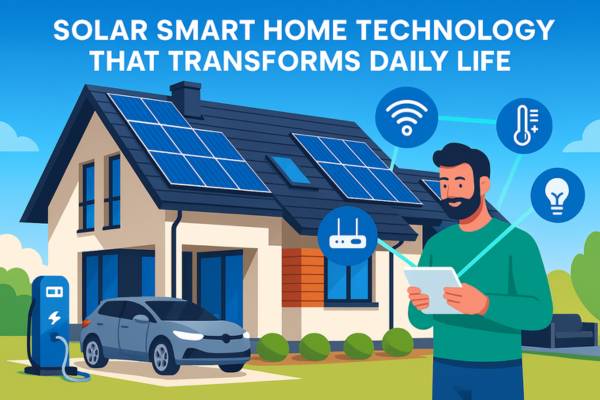
Embracing the Future with a Solar Smart Home
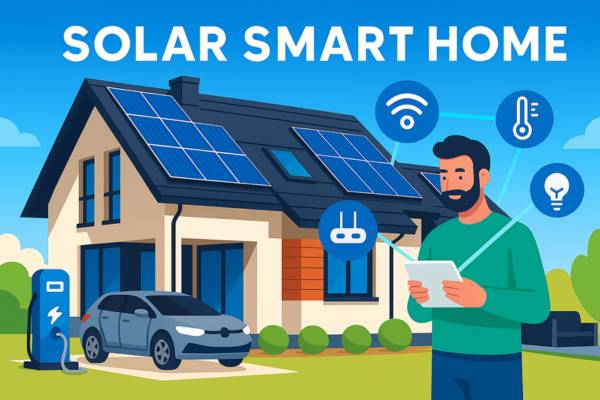
The idea of a Solar smart home is no longer a futuristic dream it’s becoming a lifestyle choice for many households across the globe. With rising electricity costs, increasing awareness of climate change, and the evolution of smart technology, combining solar energy with smart home systems offers a powerful solution for those seeking sustainability, convenience, and long-term savings.
But what exactly is a solar smart home, and why is it gaining so much traction?
Let’s dive into the essentials, benefits, technologies, and practical tips to help you understand how a solar smart home works and why you might want to consider building one for your family.
What Is a Solar Smart Home?
A solar smart home is a residence that uses solar energy as its primary power source while integrating smart technologies to manage energy consumption efficiently. Think of it as an eco-friendly home that’s intelligent enough to optimize your energy usage based on your lifestyle patterns.
In simpler terms, you have solar panels installed on your roof, but you also connect that energy to smart appliances and systems—like smart thermostats, lighting, security cameras, and even EV chargers. These systems can communicate with each other and be controlled remotely using your smartphone or voice assistants like Alexa and Google Assistant.
The goal? Lower bills, lower emissions, and higher comfort.
The Core Components of a Solar Smart Home
To better understand how a solar smart home works, let’s break down its key components:
- Solar Panels (Photovoltaic Systems)
Solar panels are the heart of any solar-powered home. They convert sunlight into electricity, which can either be used immediately or stored for later use.
- Smart Home Devices
These include smart lights, smart plugs, HVAC systems, and more. Smart devices help you automate and control energy use so nothing is wasted.
- Solar Battery Storage
Battery systems such as Tesla Powerwall or LG Chem can store excess solar energy generated during the day. This stored energy can then be used at night or during cloudy weather.
- Home Energy Management Systems (HEMS)
HEMS connects all devices and allows you to monitor, schedule, and control energy usage in real-time. It ensures your home runs efficiently without constant manual adjustment.
- Inverters and Smart Meters
Inverters convert the DC electricity from your panels into usable AC electricity. Smart meters track how much energy you consume and produce, allowing you to manage your energy footprint more effectively.
Benefits of a Solar Smart Home
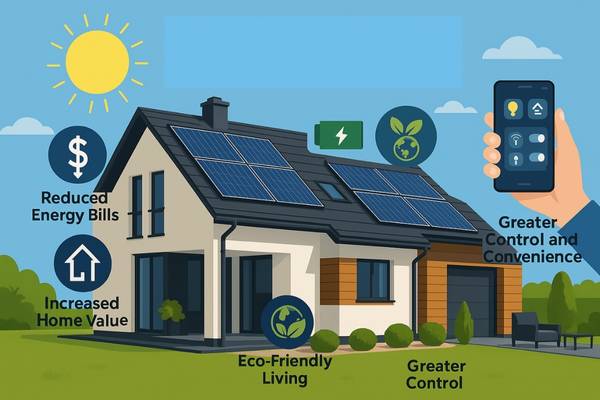
Switching to a solar smart home offers both immediate and long-term benefits. Here are the most notable ones:
✅ Reduced Energy Bills
One of the most attractive reasons to go solar is cost savings. By generating your own electricity and optimizing its use, you can significantly cut monthly utility expenses.
✅ Eco-Friendly Living
Solar smart homes help reduce your carbon footprint. Using clean, renewable energy means fewer greenhouse gas emissions and a step toward slowing climate change.
✅ Increased Home Value
Many buyers are willing to pay more for a home equipped with solar panels and smart technologies. It’s a future-proof investment that can boost resale value.
✅ Energy Independence
By generating and storing your own electricity, you’re less affected by power outages or rising energy prices.
✅ Greater Control and Convenience
Control everything from lighting to air conditioning using your smartphone. Some systems even use AI to predict your behavior and adjust settings accordingly.
How Smart Tech Enhances Solar Efficiency
Smart technology doesn’t just make your home “cool” it actually enhances how effectively your solar system works. Here’s how:
🔄 Smart Scheduling
Smart thermostats and appliances can be scheduled to run during peak sunlight hours, ensuring maximum use of solar energy.
💤 Standby Reduction
Smart plugs and switches can cut power to idle devices, reducing phantom loads that silently eat up energy.
🌤 Weather Integration
Some solar systems integrate with weather apps. On sunny days, systems automatically shift to solar. On cloudy days, it may prioritize battery use or reduce consumption.
📊 Real-Time Monitoring
With an app, you can track energy production and consumption, helping you make informed decisions about usage.
FAQ
Real-Life Applications: How a Solar Smart Home Works Day to Day
Let’s take a typical day in a solar smart home to visualize how all these technologies work together:
- Morning: As the sun rises, your solar panels begin generating electricity. Your smart blinds open automatically to let in natural light, and your coffee maker starts brewing thanks to a scheduled command.
- Midday: While you’re away at work, your smart home redirects solar energy to charge your home battery. Smart sensors ensure lights and AC stay off unless someone is home.
- Evening: You return home. Your solar battery now powers the lighting and smart thermostat, which has already adjusted the indoor temperature to your preferred setting.
- Night: Smart lights dim automatically. Any excess stored energy from the battery is used to reduce nighttime grid consumption.
Challenges and Considerations Before Switching
While the advantages are clear, there are still a few challenges to address before transitioning to a solar smart home.
⚡ Initial Cost
Solar panels and smart systems can be expensive upfront. However, tax incentives, subsidies, and long-term savings often offset the investment.
🏠 Home Suitability
Not every home is ideal for solar installation. Roof orientation, shading, and local climate all affect solar panel performance.
🔌 System Integration
Ensuring that all smart devices work seamlessly with your solar system might require expert installation and setup.
🧠 Learning Curve
Some users may need time to understand how to maximize the features of smart systems, though most are designed to be intuitive.
Tips for Building a Solar Smart Home
Ready to start your journey? Here are some tips to guide your transition:
1. Assess Your Home’s Energy Needs
Before installing anything, understand your current energy consumption. This helps you choose the right panel size and smart systems.
2. Start with High Impact Devices
Begin with smart lighting, a smart thermostat, and smart plugs. These are easy to install and offer noticeable savings quickly.
3. Invest in a Quality Solar Battery
If your area experiences frequent outages or you want more independence from the grid, a battery is essential.
4. Use Professional Installers
Always use certified solar panel and smart home installers to ensure proper setup and safety.
5. Apply for Incentives
Check for government rebates, tax credits, or local solar programs to lower your costs.
The Future of Solar Smart Homes
The evolution of solar smart homes is far from over. As AI and IoT (Internet of Things) continue to advance, homes will become more predictive and efficient.
Future trends may include:
- Vehicle-to-Home (V2H): Your electric car may power your home during outages.
- AI Energy Assistants: Virtual assistants that suggest energy-saving actions.
- Microgrids: Neighborhoods sharing solar power for collective efficiency.
The combination of renewable energy and intelligent automation is not just a trend it’s a necessary step toward a smarter, greener world.
Smart Ways to Upgrade Your House into a Solar Smart Home
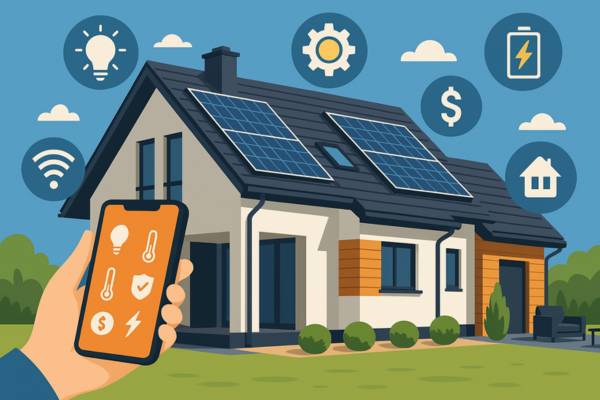
Adopting a solar smart home is more than just installing solar panels or buying the latest smart gadgets. It’s about creating a living space that reflects your values sustainability, efficiency, and innovation.
Whether you’re just starting to explore solar energy or you’re already using smart devices, combining the two can significantly enhance your quality of life. Not only will you save money and reduce your environmental impact, but you’ll also gain more control over your home and how it functions.
In a world where energy efficiency and sustainability matter more than ever, going solar and going smart isn’t just smart it’s essential.