
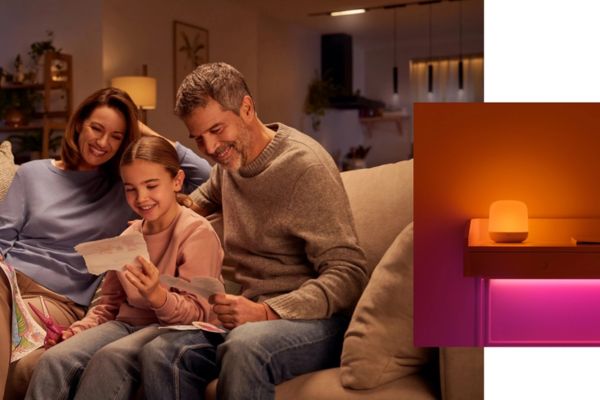
Let There Be Smart Lighting 101: Benefits & Basics
Smart Lighting 101: Benefits & Basics there’s something magical about how light shapes our day. The gentle warmth of sunrise that wakes us naturally, the soft glow that helps us unwind at night light is more than just brightness. It’s rhythm, comfort, and even emotion.
Now imagine if your lighting could understand your needs dimming when you’re ready to relax, brightening automatically when you start working, and syncing perfectly with your mood or schedule. That’s the promise of smart lighting, one of the simplest yet most impactful ways to make any home smarter.
In this guide, we’ll walk through everything you need to know about smart lighting: what it is, how it works, why it matters, and how you can start building your own connected, comfortable space. Whether you’re totally new to smart home tech or already exploring automation, this article will help you see how a single bulb can transform your daily life.
What Is Smart Lighting?
At its core, smart lighting refers to lighting systems that can be controlled remotely or automatically using a smartphone, voice command, or home automation platform. Unlike traditional lights that you turn on and off with a switch, smart lighting gives you control, flexibility, and personalization.
You can:
- Turn lights on or off from anywhere.
- Adjust brightness or color temperature.
- Create lighting “scenes” for different moods.
- Automate schedules based on time, motion, or daylight.
- Integrate with other smart devices like sensors or speakers.
In short, smart lighting brings both function and feeling into your home environment. It’s not about fancy bulbs it’s about living better with light that adapts to you.
A Quick Look at the Main Players
The smart lighting world has some major names leading the way, each with its own unique approach to comfort and convenience:
- Philips Hue: One of the pioneers, offering a wide ecosystem of bulbs, light strips, and fixtures that sync beautifully with apps and voice assistants.
- LIFX: Known for their bright colors and Wi-Fi connectivity (no hub needed).
- Nanoleaf: Perfect for creative users who love stylish, modular wall panels and dynamic lighting effects.
- Govee: Great budget-friendly option for RGB strips and ambient lighting setups.
- TP Link Kasa and Sengled: Simple, reliable bulbs that integrate easily with Alexa or Google Home.
Each brand offers something slightly different, but the goal remains the same: giving you control over how your space feels through lighting that listens and responds.
Types of Smart Lighting Connections: Wi-Fi, Zigbee, Z-Wave, and Bluetooth
Before diving into the setup, it’s important to understand how smart bulbs actually connect. Each system WiFi, Zigbee, Z-Wave, or Bluetooth has its own strengths and quirks. Choosing the right one depends on how big your space is, how many devices you plan to connect, and how much control you want. Let’s break it down in simple terms 👇
1. WiFi Smart Bulbs
WiFi bulbs connect directly to your home network. That means you don’t need any additional hub or bridge just your smartphone, an app, and a stable WiFi connection. These are perfect if you’re just getting started or only planning to install a few smart lights around the house.
Pros
- Simple setup. Just plug in, connect to Wi-Fi, and control via app or voice assistant no extra hardware needed.
- Instant control anywhere. You can turn lights on/off remotely, even when you’re not home.
- Wide compatibility. Works with most smart ecosystems like Alexa, Google Home, and Apple Home.
Cons
- Can overload your WiFi. If you have many bulbs, they may slow down your network.
- Higher power consumption. WiFi bulbs generally draw a bit more energy when idle.
- Dependent on internet stability. If your WiFi drops, remote control won’t work.
👉 Best for: Small apartments or beginners who want a quick plug and play setup.
2. Zigbee & Z-Wave Smart Bulbs
Zigbee and Z Wave are low power wireless protocols created specifically for smart homes. Unlike Wi-Fi, they don’t connect directly to your router instead, they talk to a hub or bridge, such as the Philips Hue Bridge. Think of it like a translator that keeps your smart devices connected quietly in the background, without clogging your WiFi.
Pros
- Super stable and reliable. Zigbee/Z-Wave connections rarely drop.
- Perfect for large homes. Devices form a “mesh network,” boosting signal and range.
- Energy efficient. These bulbs use minimal power compared to WiFi bulbs.
- Scalable. You can add dozens even hundreds of bulbs without slowing down your network.
Cons
- Requires a hub or bridge. An extra step (and cost) during setup.
- Compatibility limits. Not every brand plays nice together unless they share the same protocol.
- Slight learning curve. Setting up hubs can be trickier for first timers.
👉 Best for: Medium to large homes or users planning a full smart lighting ecosystem like Philips Hue or IKEA Tradfri.
3. Bluetooth Smart Bulbs
Bluetooth bulbs are the most straightforward of all. They connect directly to your phone or nearby smart speaker without WiFi or hubs. You just screw them in, open the app, and pair. These are great for quick setups in smaller spaces or for users who don’t want to deal with extra apps and routers.
Smart Lighting Control: Your Options
Once you’ve chosen how your lights connect, the fun begins. There are several ways to control your smart lighting:
a. Mobile Apps
Every major brand provides an app where you can schedule, dim, or group your lights into “rooms” or “scenes.” You can also link them to platforms like Apple Home, Google Home, or Amazon Alexa for broader automation.
b. Voice Assistants
Saying “Alexa, turn on the living room light” never gets old. Voice control is one of the most popular features because it feels intuitive and futuristic no switches required.
c. Smart Switches & Sensors
If you prefer something physical, motion sensors or smart switches can automate everything. Walk into a room, and the light just knows you’re there. Leave, and it turns off on its own.
d. Automation Rules
This is where smart lighting becomes truly “smart.” You can create rules like:
- Turn on porch lights at sunset.
- Dim the lights when you start a movie.
- Flash lights red when your security alarm triggers.
Descriptive Example: A Day with Smart Lighting
Let’s imagine a typical day in a home with smart lighting.
☀️ Morning: The bedroom light slowly brightens like sunrise, gently waking you up instead of an alarm shock. As you walk into the kitchen, motion sensors trigger warm morning light to greet you.
💼 Afternoon: Your home office lights shift to cooler white tones, boosting focus and reducing eye strain while you work.
🌇 Evening: As the sun sets, lights automatically dim to amber, signaling your body to relax.
🎬 Night: You say, “Alexa, movie time,” and your living room transforms the main lights dim, and soft backlighting enhances the atmosphere.
That’s the beauty of smart lighting it fits around you, not the other way around.
Why Smart Lighting Matters
Light doesn’t just illuminate; it affects your mood, energy, and productivity. Smart lighting helps you make the most of that relationship.
1. Better Sleep & Healthier Rhythms
Our bodies respond to light. Cool white light in the morning helps us feel alert, while warm tones at night prepare us for rest. Smart lighting mimics this natural rhythm automatically, helping regulate your circadian cycle which means better sleep, focus, and mood.
2. Energy Efficiency
Smart bulbs use LEDs, which already consume less power than traditional bulbs. Add in motion sensors and scheduling, and you’ll reduce unnecessary use saving both electricity and money.
3. Enhanced Security
You can set your lights to turn on automatically when you’re away or even simulate your presence randomly, making it look like someone’s home. This simple trick can deter potential intruders.
4. Personalized Atmosphere
Whether it’s a dinner date, study session, or yoga time, smart lighting lets you create the perfect vibe with just a tap or a voice command.
The Benefits of Smart Lighting: Beyond Convenience
Smart lighting isn’t just about turning lights on and off from your phone. Once you start using it, you realize how deeply it can shape your lifestyle from improving mood and saving energy to strengthening your home security.
Let’s break down the benefits you’ll actually feel once you make the switch.
1. Energy Efficiency That Makes a Difference
One of the biggest appeals of smart lighting is its ability to save energy effortlessly.
Traditional lights stay on even when no one’s in the room. Smart lighting fixes that by letting you automate schedules, use motion sensors, and even track energy usage through apps.
Imagine this: you’re heading out for the day and forget to turn off the kitchen lights. Normally, that’s wasted electricity. But with smart lighting, you can just open your phone and switch them off or better yet, let automation do it for you.
Most smart bulbs are LED based, which already use up to 80% less energy than incandescent bulbs. Combine that with automation, and you’re looking at real long-term savings both for your wallet and the planet.
💡 Pro Tip: If you want the most eco-friendly setup, pair your smart lights with a smart thermostat or solar-powered system. The combination can drastically reduce your household energy footprint.
2. Better Sleep, Mood, and Mental Health
Have you ever noticed how a bright white light at night makes it harder to relax? Or how natural sunlight instantly boosts your energy? That’s because lighting plays a major role in how your body regulates the circadian rhythm your internal clock that governs sleep and wake cycles.
Smart lighting systems like Philips Hue or LIFX can automatically adjust color temperature throughout the day:
- Morning: cool, daylight-like tones to wake you up.
- Evening: warm amber glows to help you unwind.
This subtle shift supports melatonin production (the sleep hormone), helping you fall asleep faster and wake up more refreshed.
🌙 In short: smart lighting helps your body stay in sync with nature, even indoors.
3. Customizable Ambience for Every Moment
This is where smart lighting truly shines (pun intended). Whether you’re hosting friends, having a cozy movie night, or focusing on a work project, you can customize your lighting mood with just one tap or even a simple voice command.
Some examples:
- “Alexa, set living room to movie mode” lights dim, backlight glows soft blue.
- “Hey Google, study mode” white light brightens to a crisp daylight tone.
- “Romantic dinner” warm, candle like tones fade in.
The power of ambience can transform ordinary spaces into experiences. You start to feel your lighting not just see it.
4. Home Security Reinvented
Lighting has always been a part of home safety but smart lighting takes it a step further.
You can schedule your lights to turn on automatically when you’re not home, giving the illusion that someone’s inside. Some systems even integrate with smart security cameras or door sensors so if motion is detected outside, the lights turn on instantly.
This small automation can deter unwanted visitors and give you peace of mind.
🔒 Pro Tip: Try setting random light patterns when you’re traveling. It mimics human presence better than fixed schedules.
5. Convenience That Adapts to You
Picture this: you’re lying in bed, reading, and ready to sleep. No need to get up just whisper, “Alexa, lights off.”
Or imagine you’re coming home with hands full of groceries, and your porch lights automatically turn on as soon as your phone connects to the WiFi. That’s smart lighting at its best it anticipates your needs.
It’s not about laziness it’s about comfort. Smart lighting takes everyday tasks and makes them effortless.
Types of Smart Lighting Devices
Smart lighting isn’t just about bulbs. There’s a whole ecosystem of devices designed to fit different spaces, moods, and purposes. Let’s look at the main types and what makes each one special.
1. Smart Bulbs
The heart of any smart lighting setup. These bulbs replace your standard light bulbs and can be controlled via app, voice, or automation. Available in different styles:
- White bulbs: for dimming and scheduling.
- Color bulbs: for mood lighting and creative control.
- Tunable white bulbs: for changing color temperature from cool to warm.
They’re perfect for apartments or renters because they’re plug and play no wiring changes needed.
2. Smart Light Strips
Flexible LED strips that can run under cabinets, behind TVs, or along walls. They’re ideal for creating accent lighting or adding a futuristic vibe to your space.
You can change their color, brightness, and even sync them with music or on-screen action (great for gamers and movie lovers).
3. Smart Switches
Don’t want to replace every bulb? Smart switches let you control existing lights including non-smart bulbs. They install into your wall switch panel and can be controlled via app or voice command. This is a great option for shared spaces where not everyone has a smartphone or app access.
4. Smart Plugs
Simple yet powerful plug your lamp into a smart plug, and suddenly it’s part of your automation system. You can schedule, dim (if compatible), or turn it off remotely. Perfect for beginners who want to “test” smart lighting without major changes.
5. Smart Lamps and Fixtures
Many modern lamps come with built-in smart features touch controls, color presets, and app integrations. Some even have ambient sensors that adjust brightness based on surrounding light levels. They add style and intelligence to any corner of your home.
6. Outdoor Smart Lighting
Don’t forget your garden, patio, or driveway! Outdoor smart lighting not only adds beauty but also boosts safety. Brands like Philips Hue Outdoor, Govee, or Ring Pathlights let you automate pathways, entrances, and backyard areas with weatherproof control.
Setting Up Your Smart Lighting System
The setup process might sound technical, but it’s actually simple once you understand the basics. Here’s a step by step guide to help you start:
Common Setup Mistakes to Avoid
Even though smart lighting is user-friendly, here are a few things to keep in mind:
✅ Too many Wi-Fi bulbs connected without a hub can slow down your network and affect performance.
✅ Outdated apps or old firmware versions may cause glitches, lag, or random connection issues.
✅ Compatibility problems sometimes appear when mixing ecosystems, such as Apple HomeKit bulbs with Alexa setups that require additional bridges.
Before purchasing new devices, always check compatibility labels like Alexa, Google Assistant, or Apple HomeKit on the packaging.
👉 Timer Switches for Lamps Perfect for Saving Energy
Smart Lighting Design Ideas: Turn Every Room Into an Experience
Now that you know how smart lighting works and how to set it up, let’s talk about the fun part design. Because lighting isn’t just about visibility; it’s about vibe. The right lighting setup can turn an ordinary space into a calm retreat, a productive workspace, or a cozy movie nook.
Here’s how to use smart lighting creatively in every corner of your home.
1. Living Room: Comfort Meets Creativity
Your living room is the heart of your home where you relax, watch TV, and entertain guests. Smart lighting can help you switch moods effortlessly:
- Movie mode: Use dimmed warm tones or LED light strips behind your TV to reduce glare.
- Reading mode: Brighten side lamps with neutral white light for clarity.
- Party mode: Sync colorful smart bulbs or Nanoleaf panels with your music for dynamic effects.
💡 Pro tip: Use a voice command like “Alexa, living room lights to chill” to set the tone instantly.
A mix of smart bulbs and smart plugs can cover both ceiling lights and lamps, giving you layered control for every situation.
2. Bedroom: Wake Up and Wind Down Naturally
Your bedroom should be your sanctuary and lighting has a huge influence on how restful it feels.
Try using smart lighting that follows your natural rhythm:
- Morning: Simulate sunrise with lights that gradually brighten.
- Evening: Set warm amber tones an hour before bed to signal your brain it’s time to relax.
If you have trouble waking up, some bulbs can gently glow before your alarm goes off, easing you into the day.
✨ Small detail, big impact: Pair your lights with a smart speaker that plays soft morning sounds or calming music at wake up time. The combination of light and sound can totally change your mornings.
3. Kitchen: Bright for Work, Soft for Dinner
Cooking requires focus, while dining is all about ambiance. Smart lighting lets you have both in the same space.
Install bright white task lighting under cabinets for cooking, and switch to warm dimmed tones when it’s dinner time. If you have smart switches, you can program this transition automatically.
You can even set a “Cooking Scene” where the overhead lights turn full brightness while the dining area stays softer creating a visual zone between preparation and mealtime.
💡 Bonus tip: Add motion sensors in the pantry or under cabinets for hands-free lighting when your hands are full.
4. Bathroom: Spa Vibes Every Day
Smart lighting can make your bathroom feel like a mini spa. Use waterproof LED strips behind mirrors or under sinks for a soft glow. Set a “Morning Boost” routine with cool white light to energize you, and a “Relax Mode” with dim warm tones for unwinding during baths.
If you want to go fancy, some mirrors come with integrated smart lighting that adjusts brightness automatically.
5. Home Office: Light for Focus and Flow
Poor lighting can cause fatigue and lower productivity especially if you work long hours from home.
Smart lighting helps by automatically adjusting throughout the day:
- Morning: crisp cool tones to stay alert.
- Afternoon: neutral light to reduce strain.
- Evening: soft, warm hues to transition into rest.
Combine your smart lighting with your computer or calendar some systems let you trigger “focus mode” when you start a meeting or presentation.
🌿 Pro tip: Use natural light whenever possible, and let your smart lighting fill the gaps. Balanced light boosts focus and keeps your eyes happy.
6. Outdoor & Garden: Safety with Style
Smart outdoor lighting isn’t just decorative it’s practical. Use motion activated lights along walkways or driveways for safety. Or, automate garden lights to turn on at sunset and off at sunrise. If you like entertaining outdoors, colorful LED strips or string lights can create a cozy atmosphere for dinner parties.
Many outdoor smart lights are IP65 waterproof and can sync with voice commands, so you can easily say, “Hey Google, turn on the patio lights” when the sun goes down.
Smart Lighting and Home Automation: The Bigger Picture
Smart lighting becomes even more powerful when integrated with other smart home systems. It’s not just a standalone feature it’s a building block of a connected ecosystem.
Here’s how it all ties together:
1. Smart Lighting + Smart Speakers
Pairing your lights with a voice assistant like Alexa or Google Assistant is the most popular combo. It lets you control lights hands-free and even create routines that mix music, reminders, and lighting effects.
Example:
When you say, “Good morning,” your lights brighten, the blinds open, and your favorite playlist starts.
2. Smart Lighting + Security Systems
Integrate smart lighting with your home security for real-time responses.
When your doorbell camera detects motion, your porch light turns on automatically. Or, if the alarm goes off, the lights flash red as a visual alert.
This isn’t just cool it enhances your safety and awareness, even if you’re not home.
3. Smart Lighting + Sensors
Motion sensors are underrated heroes. They can trigger lights in hallways, closets, or bathrooms only when someone’s present. That means no more lights left on accidentally.
It’s energy-efficient, practical, and adds that sci fi feel to everyday life.
4. Smart Lighting + Climate Control
Want to go fully smart? Link your lights with your thermostat or smart blinds. When your smart system detects daylight, it dims indoor lights automatically to save energy or brightens them during cloudy days.
This dynamic balance between light and climate creates a consistently comfortable home environment without manual effort.
Common Questions About Smart Lighting
Let’s answer some of the most common questions people have before switching to smart lighting.
Bringing It All Together
Smart lighting isn’t just a home upgrade it’s a lifestyle enhancement. It brings together technology, design, and emotion in a way that feels natural and effortless. From waking up gently to relaxing under a soft glow at night, smart lighting connects your home to your rhythm. It’s about comfort, control, and creativity giving you the power to shape how your world feels with just a touch or a word.
Imagine waking up to soft sunrise lighting that helps you start the day calm and focused or winding down under a warm evening glow that melts the stress away.
✨ Smart lighting isn’t just technology. It’s comfort, peace, and control all in your hands.
Ready to experience it? Start today and make your home shine smarter.