
Smart Home Security & Safety: The Complete Guide
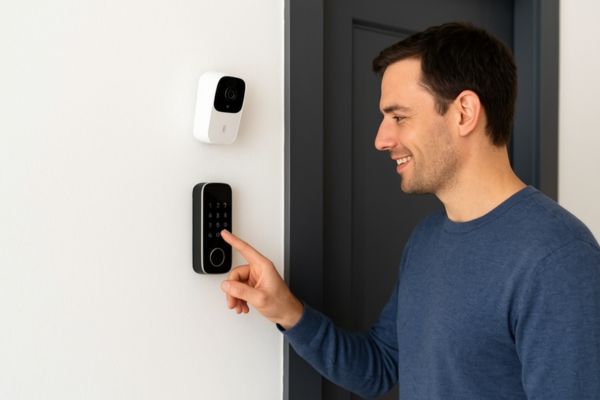
When you think about the idea of “home,” what comes to mind first? Probably a sense of comfort, safety, and belonging the place where you unwind after a long day, where your loved ones feel protected, and where your memories live. In today’s world, however, that sense of security depends on more than just locked doors and strong windows. This Smart Home Security & Safety Guide explains how modern technology helps homeowners stay protected at all times.
This Smart Home Security & Safety Guide is designed to help beginners and experienced smart homeowners understand the latest security technologies in 2026. The rise of connected devices has changed the way people protect their homes. From smart locks that recognize your phone, to intelligent cameras that send alerts straight to your smartwatch, technology has brought convenience and control to home safety like never before. But it’s not just about gadgets it’s about creating a home that feels safe, secure, and effortless to manage.
In this complete guide, we’ll explore everything you need to know about smart home security what it is, how it works, the best devices in 2025, and how you can build a reliable, privacy conscious system for your own home.
Whether you live in a city apartment or a quiet suburban house, this guide will help you make sense of today’s rapidly evolving home security landscape and give you practical steps to make your living space smarter and safer.
Why Smart Home Security Matters in 2025
A decade ago, home security was simple: a door lock, maybe an alarm, and a neighbor you could trust. But in 2026, our homes are more connected than ever. TVs, thermostats, light bulbs, and even kitchen appliances are linked to Wi-Fi. That connection brings amazing convenience but it also opens new vulnerabilities.
According to industry reports, over 65% of U.S. homeowners now use at least one smart home security device, and the number continues to grow globally. Yet as technology becomes more integrated, cyber risks increase too. That’s why understanding how to protect your smart home isn’t just about stopping burglars it’s about defending your privacy and digital identity.
Let’s explore some of the biggest reasons why smart home security is becoming essential in 2025:
1. Rising Security Concerns and Evolving Threats
Traditional alarm systems are designed to react not prevent. Smart home security, on the other hand, focuses on proactive defense. For instance, smart cameras can detect motion and distinguish between a person, an animal, or a passing car. Smart locks can alert you when someone tries to tamper with your door. These intelligent layers work together, offering 24/7 protection far beyond what a standard system can do.
But the threats aren’t just physical. Cybersecurity now plays a huge role. Hackers can exploit unsecured WiFi networks or outdated firmware to gain access to connected devices. A well-designed smart security system takes these risks into account by encrypting data, supporting two-factor authentication, and keeping software up to date.
2. Smart Devices That Think for You
Another reason smart security is booming is automation. Imagine your lights turning on when motion is detected outside your house, or your front door locking automatically when you leave. These simple routines can prevent incidents before they happen.
Thanks to AI-powered sensors and learning algorithms, today’s smart systems don’t just follow commands they learn from your habits. Over time, they recognize patterns, such as when you usually arrive home or go to bed, and adjust their behavior accordingly.
It’s not about making your home “high tech” for the sake of it it’s about making your security smarter, faster, and more adaptive to real life.
3. Peace of Mind That Travels with You
One of the greatest benefits of smart home security is remote access. Whether you’re traveling abroad or just at the office, you can check live footage, receive instant alerts, or even unlock your door for a family member all from your phone.
That kind of control changes how we think about home safety. Instead of worrying about what might happen, you get visibility and control at all times. And when paired with cloud storage and encrypted video feeds, you can trust that your data stays safe too.
4. Insurance and Energy Efficiency Benefits
Many insurance companies now offer discounts to homeowners who install smart security systems. It’s not just about protecting your property it’s about reducing risk. Additionally, these systems often integrate with other smart devices like thermostats or lights, helping you optimize energy use while maintaining a secure environment.
A single connected ecosystem can lock your doors, arm your alarms, and turn off lights with a single command combining safety, savings, and sustainability.
5. The Emotional Side of Feeling Safe
Security is more than a technical need; it’s emotional. Knowing your loved ones are protected helps you rest easier. For parents, smart cameras provide reassurance when kids are home alone. For elderly family members, motion sensors or smart alerts can notify caregivers in emergencies.
This blend of emotional comfort and digital intelligence is what makes smart home security so powerful it’s security that feels personal.
Understanding the Core of Smart Home Security & Safety Guide Systems
If you’ve ever wondered what makes a home “smart,” the answer lies in connection and control. A smart home security system isn’t just a bunch of gadgets with blinking lights; it’s a carefully connected network of devices that communicate with one another and with you to keep your space protected.
In this section, we’ll explore what defines a smart security system, how it actually works, and what key components you’ll need to create a reliable, modern defense for your home.
What Makes a “Smart” Security System
In this Smart Home Security & Safety Guide, understanding automation and connectivity is essential for building a safer home. At its core, a smart home security system combines hardware (like cameras and locks) with software (like mobile apps and cloud services). What makes it smart is its ability to connect to the internet, collect data, learn patterns, and respond intelligently.
Here’s how it differs from traditional systems:
- Connectivity: Smart security devices communicate via WiFi, Zigbee, Z-Wave, or Matter allowing them to sync with your smartphone, voice assistants, or home hub.
- Automation: These systems can trigger actions automatically. For instance, when a motion sensor detects movement, your lights can turn on and your phone receives an alert.
- Remote Access: Unlike traditional alarms that rely on local sirens, smart systems send instant notifications wherever you are.
- Integration: Smart home security connects with other smart home devices lighting, thermostats, even your voice assistant to create a seamless ecosystem.
Essentially, it’s a network of intelligent guardians that talk to each other and act fast when something doesn’t feel right. A complete Smart Home Security & Safety Guide should always explain how devices communicate securely inside your home network.
How Smart Home Devices Communicate
Communication is the backbone of every smart home security setup. Let’s break down the main connection technologies and what they mean for you:
WiFi
WiFi is the most common and straightforward communication method for smart security devices. It offers direct internet access, which means your cameras, locks, or sensors can send real-time notifications to your phone.
Pros
- Easy setup and wide compatibility
- Fast data transfer
- Works with most smart assistants (Alexa, Google, Siri)
Cons
- Can strain your router if too many devices connect
- More vulnerable to hacking if not secured properly
Zigbee & Z Wave
These are low power wireless communication protocols made specifically for smart home networks. They use a mesh system, where each device strengthens the signal by relaying data to others. Zigbee is open-source and used by brands like Philips Hue and Samsung SmartThings, while Z-Wave is proprietary but known for excellent reliability.
Pros
- Strong, stable connections even across large homes
- Less WiFi interference
- Excellent for connecting multiple sensors or locks
Cons
- Requires a compatible hub (e.g., SmartThings, Hubitat)
- Slightly slower than WiFi for video streaming
Matter – The Future of Smart Home Communication
In 2025, Matter has become the unifying standard that bridges brands and ecosystems. Created by major players like Apple, Google, Amazon, and the Connectivity Standards Alliance, Matter ensures that devices can talk to each other no matter the brand.
This means your smart lock from August, camera from Google Nest, and sensors from Aqara can finally coexist without the headache of compatibility issues. Every Smart Home Security & Safety Guide should include the essential devices needed to create a secure ecosystem.
Key Components of a Smart Security System
A fully functioning smart home security setup typically includes the following components. Each plays a unique role, and together they form a complete protective ecosystem.
1. Smart Locks
These are often the foundation of home security. Smart locks replace or enhance traditional door locks, letting you lock and unlock doors using your phone, fingerprint, or voice commands. They can also send alerts when someone enters or leaves, and many models include auto-locking features that engage when you’re away.
Pro tip: Always choose smart locks with two factor authentication and AES encryption for better protection.
2. Security Cameras
Whether indoor or outdoor, cameras serve as your home’s eyes. Smart cameras allow you to view live footage remotely, get motion alerts, and even communicate through built-in microphones.
Many modern models use AI based detection to differentiate between humans, pets, and other movements reducing false alarms.
Example: A smart camera can alert you if a stranger approaches your door but ignore your dog walking by the window.
3. Door & Window Sensors
These small yet powerful devices detect when doors or windows are opened or closed. In most setups, they’re magnet-based: when the magnetic contact breaks (door opens), the system sends an alert to your app.
They’re simple but incredibly effective especially when paired with cameras or smart lights.
4. Motion Detectors
Motion detectors use infrared or radar technology to sense movement in a given area. Placed strategically, they can alert you of intrusions or even trigger smart routines like turning on hallway lights when someone enters at night.
Modern models integrate pet immunity, so your cat won’t accidentally set off the alarm.
5. Smart Alarms & Sirens
A loud alarm remains one of the most effective deterrents. Smart sirens take it further by connecting with your system to trigger instantly when motion or unauthorized entry is detected. Some models even send push notifications or automated calls to your phone for added protection.
6. Central Hub or App
Every smart home needs a brain the hub or app that ties everything together. While some devices operate individually, using a smart hub (like Samsung SmartThings, Apple HomePod, or Amazon Echo) allows smoother automation and faster responses.
With a unified app, you can:
- Monitor all devices in real time
- Set automation routines (e.g., “Lock all doors when I say goodnight”)
- Manage permissions and access
How Everything Works Together
Let’s imagine a simple example of smart home security in action:
You’re at work, and someone rings your video doorbell. Your smart camera recognizes an unfamiliar face and sends you an alert. You open the app, check the footage, and see a delivery driver. With one tap, you unlock your smart lock to allow them to drop the package inside the porch. Once they leave, the door automatically locks again, and your smart alarm arms itself.
That’s the beauty of an interconnected system everything happens seamlessly. One major advantage covered in this Smart Home Security & Safety Guide is the ability to integrate security with automation.
Smart Security and Home Automation Integration
Beyond protection, smart security systems can integrate with other smart home categories for convenience and efficiency:
- Lighting: Motion sensors turn on pathway lights when movement is detected.
- Climate: Your thermostat adjusts based on occupancy sensors.
- Energy Management: Cameras and sensors ensure unused devices are turned off when you’re away.
By merging safety and automation, you don’t just create a secure home you create an intelligent one that thinks with you.
What Makes a Home Security System “Smart”?
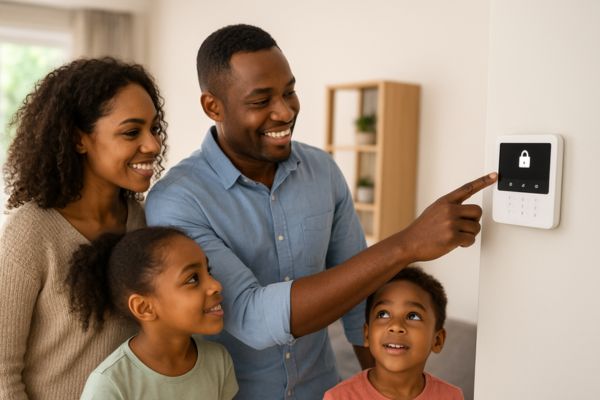
A smart home security system goes far beyond traditional alarms. Instead of relying only on motion sensors or sirens, it connects every security device to your home’s Wi-Fi network allowing you to monitor, control, and automate your home’s safety in real-time through your smartphone or voice assistant.
Think of it like this: instead of your security system reacting when something happens, it anticipates risks and keeps you informed before problems escalate.
Modern smart home security devices are designed to communicate seamlessly with each other. For example, if a motion sensor detects unusual activity at night, it can automatically trigger smart lights to turn on and a camera to start recording. These integrated reactions make your home security more responsive and proactive.
The Essential Components of a Smart Security System
Every smart home security setup revolves around a few key elements:
– Smart Hub or Control Panel
This acts as the brain of your smart security system. It connects and coordinates all your devices locks, cameras, sensors, and alarms into one cohesive network. Modern hubs are often integrated into smart speakers like Amazon Echo or Google Nest Hub, allowing voice control and easy automation.
– Smart Cameras
These are your home’s eyes. Indoor and outdoor smart cameras record in HD or even 4K resolution and often include motion tracking, night vision, and real-time alerts. Many now use AI based object recognition to differentiate between humans, pets, and vehicles, so you’re not constantly spammed with false notifications.
- Smart Locks
Forget fumbling for keys smart locks let you lock or unlock doors via your phone or voice assistant. You can even grant temporary access codes to guests or service workers. Plus, with features like auto lock and geofencing, your doors can secure themselves automatically when you leave home.
- Motion and Contact Sensors
These tiny yet powerful devices detect movement and whether windows or doors are open. When triggered, they can send you instant notifications or set off alarms.
- Alarms and Sirens
A smart siren can be programmed to sound when specific conditions are met — for instance, when motion is detected while you’re away. It can also sync with lights or cameras for an added layer of deterrence.
- Mobile App Integration
This is where the “smart” experience truly shines. Most smart home security systems have a dedicated app that lets you monitor cameras, adjust settings, or check live updates from anywhere in the world.
The Power of Connectivity: How Devices Talk to Each Other
The true strength of a smart home security system lies in its interconnectivity. The devices use wireless communication standards such as Wi Fi, Zigbee, Z Wave, or Thread to stay connected and responsive.
- Wi-Fi: Ideal for high-bandwidth devices like cameras but consumes more power.
- Zigbee & Z Wave: Great for low-power sensors and locks, ensuring reliability without draining batteries.
- Thread: A newer technology known for speed and low latency, perfect for real-time automation.
The goal is seamless coordination. When your smart doorbell detects motion, your porch light can automatically turn on, while your indoor camera begins recording. That’s the magic of automation your devices don’t just exist, they collaborate.
Integration with Voice Assistants and Ecosystems
Today’s best smart home security systems easily integrate with major smart home ecosystems:
- Amazon Alexa: “Alexa, show me the front door camera.”
- Google Assistant: “Hey Google, is the back door locked?”
- Apple HomeKit: Offers strong privacy controls and secure video storage.
This level of integration makes controlling your home security not only efficient but also natural you can manage your safety hands-free or through scheduled routines.
The Evolution from Traditional to Smart Security
The shift from traditional to smart home security represents more than just a tech upgrade — it’s a mindset change. In the past, home security was passive; you only reacted after an event occurred.
Today, smart security focuses on prevention and real-time awareness. Whether you’re at work, on vacation, or just in bed, your devices constantly share information and keep your home protected 24/7.
It’s no longer just about deterring burglars it’s about peace of mind. You don’t need to wonder if you locked the door or turned off the alarm; your smart home will handle that for you.
| Component | Function | Example |
| Smart Hub | Central control unit | Amazon Echo, Google Nest Hub |
| Smart Cameras | Real-time monitoring | Arlo Pro 5, Ring Stick Up Cam |
| Smart Locks | Keyless access | August Wi-Fi Smart Lock |
| Sensors | Detect motion or entry | Aqara Door Sensor, Wyze Motion Sensor |
| Alarms | Audible alerts | Eufy Smart Siren |
| App Control | Remote management | Ring App, Google Home |
Why Cameras Matter in a Smart Home Security & Safety Guide
In any smart home security system, visibility is everything. Smart cameras and doorbells are your digital eyes always on guard, even when you’re miles away. They don’t just record; they detect, notify, and often deter suspicious activity before it becomes a problem.
With the rise of advanced features like AI motion detection, facial recognition, and cloud storage, modern smart cameras have evolved far beyond simple CCTV setups. Whether you’re checking in on your pets, confirming a package delivery, or monitoring your home while traveling, these devices redefine peace of mind.
Indoor vs Outdoor Smart Cameras
Before choosing your setup, it helps to understand the difference between indoor and outdoor smart cameras each designed for specific tasks.
| Type | Purpose | Key Features |
| Indoor Cameras | Monitor interior spaces like living rooms, nurseries, or hallways. | Compact, wide-angle lenses, motion alerts, two-way audio. |
| Outdoor Cameras | Watch over entryways, driveways, and yards. | Weather-resistant, night vision, sirens, floodlights, advanced motion zones. |
If you’re building a complete smart home security network, combining both indoor and outdoor cameras creates full perimeter awareness.
What to Look for in a Smart Security Camera
Not all smart cameras are created equal. Here are essential factors to consider before investing:
- Resolution and Image Quality
Aim for at least 1080p HD or higher for crisp video especially important for identifying faces or license plates.
- Field of View
A wide angle lens (120° or more) ensures maximum coverage, reducing blind spots around entryways.
- Night Vision
Clear infrared or color night vision allows cameras to record even in total darkness.
- Smart Motion Detection
AI based motion sensors can distinguish between people, animals, and cars — minimizing false alerts.
- Two Way Audio
Speak directly to visitors or delivery drivers via the camera’s built-in microphone and speaker.
- Cloud & Local Storage Options
Decide whether you prefer footage stored in the cloud (accessible remotely) or on a local SD card for privacy.
- Integration with Smart Ecosystems
Cameras that sync with Alexa, Google Home, or Apple HomeKit offer seamless control through your voice or mobile app.
Smart Doorbells: Your Frontline Communication Device
A smart doorbell camera serves as both a security tool and a convenience feature. It lets you see, talk to, and even record anyone who approaches your door whether you’re home or not. The best smart doorbells can:
- Send instant notifications when someone rings or triggers motion.
- Record high quality video footage with a wide field of view.
- Allow two way talk through your phone or smart display.
- Integrate with smart locks, so you can unlock the door for trusted visitors.
Ring vs Nest Doorbell: Which Is Better?
Both Ring and Nest dominate the smart doorbell market but they serve slightly different user needs.
| Feature | Ring Video Doorbell 4 | Nest Doorbell (Battery) |
| Video Resolution | 1080p HD | 960 x 1280 HD |
| Power Source | Battery or Wired | Battery |
| Field of View | 160° horizontal | 145° diagonal |
| Cloud Storage | Ring Protect subscription | Google Nest Aware subscription |
| AI Detection | Motion + Person alerts | Person, Package, and Animal detection |
| Smart Home Integration | Alexa | Google Home |
| Price Range | Affordable | Slightly higher |
Verdict:
- Choose Ring if you already use Alexa devices and prefer budget friendly options.
- Choose Nest if you’re within the Google ecosystem and want smarter AI event detection.
How to Protect Smart Cameras from Hacking
Because cameras connect to your home network, they’re vulnerable if left unsecured. Follow these essential Wi Fi security tips:
- Use Strong, Unique Passwords for both your camera account and home router.
- Enable Two Factor Authentication (2FA) to block unauthorized access.
- Keep Firmware Updated regularly to patch security vulnerabilities.
- Avoid Public WiFi when accessing live feeds remotely.
- Disable Unused Features, such as remote access or microphone, if you don’t need them.
- Check Device Permissions only allow access to apps and integrations you trust.
💡 Pro Tip: If your camera supports local storage, consider disabling cloud uploads for sensitive areas like bedrooms or private spaces.
Best Smart Cameras & Doorbells in 2025
Below are top-rated picks combining performance, reliability, and smart integration for the year 2025:
| Device | Best For | Key Feature |
| Arlo Pro 5S 2K | Outdoor | 2K HDR video, color night vision, AI detection |
| EufyCam 3C | Battery powered setups | 4K resolution, local storage, no monthly fees |
| Google Nest Cam (Battery) | Smart ecosystem users | AI alerts, flexible placement |
| Ring Spotlight Cam Plus | Outdoor coverage | Built-in siren, motion-activated lights |
| Blink Mini | Budget-friendly indoor camera | Compact design, Alexa integration |
| Ring Video Doorbell 4 | Smart front door | Pre-roll video preview, Alexa compatible |
| Nest Doorbell (Battery) | Smart doorbell with AI | Package & person recognition |
Combining Cameras and Doorbells for Full Coverage
A single camera won’t protect your entire property. The best strategy is layering visibility:
- Front Door: Smart doorbell + motion sensor light.
- Backyard or Garage: Outdoor floodlight camera.
- Living Room or Hallway: Indoor camera with two-way talk.
- Driveway or Gate: Wide angle camera with motion zones.
When linked together, these devices form a coordinated smart security system, giving you real-time alerts and control over every corner of your home. This Smart Home Security & Safety Guide also answers common questions homeowners ask before upgrading their systems.
FAQ
Making Your Home Secure and Smart
As we’ve seen throughout this guide, smart home security isn’t just about technology it’s about peace of mind. It’s about knowing that your home, the place you return to after long days, is always protected, monitored, and connected in ways that old-fashioned locks or alarms could never match.
From smart locks that auto-secure your doors, to AI powered cameras that tell the difference between a guest and a stray cat, to sensors and alarms that detect the slightest disturbance each component plays a vital role in building a truly intelligent safety network.
In 2025, the line between convenience and protection continues to blur. Today’s best smart security systems not only guard against intrusions but also learn your habits, integrate with voice assistants, and give you control from anywhere in the world. And unlike traditional systems that feel rigid or intimidating, modern smart devices are designed for people intuitive, sleek, and customizable for every lifestyle.
Still, no system is perfect without a few best practices. Keep your firmware updated, use strong passwords, and secure your home network. These small steps make a huge difference in keeping your devices safe from digital threats.
So, whether you’re upgrading one lock or transforming your entire house into a connected ecosystem, remember this:
A truly smart home isn’t the one with the most devices it’s the one that makes you feel safe, empowered, and in control.
Your home doesn’t have to look like a sci-fi fortress to be secure. Start small, grow over time, and let smart technology work quietly in the background while you live your life comfortably, confidently, and securely. We hope this Smart Home Security & Safety Guide helps you build a safer, smarter, and more connected home for the future.