
Energy Monitoring Devices: Everything You Need to Know
Disclosure: Some links here are affiliate links. We may earn a commission at no extra cost to you. As an Amazon Associate, AutomateVerge earns from qualifying purchases. Read our affiliate disclosure.
Managing household energy use isn’t just about saving a few dollars on the electricity bill it’s about taking control of how your home consumes power. In recent years, energy monitoring devices have become increasingly popular for homeowners looking to cut costs, live more sustainably, and make smarter choices about electricity usage.
If you’ve ever wondered how much energy that old fridge is burning, or whether your air conditioner is silently racking up your utility bill, an energy monitor can provide the answers. This guide will walk you through what these devices are, how they work, their benefits, and what to consider before bringing one into your home.
What Are Energy Monitoring Devices?
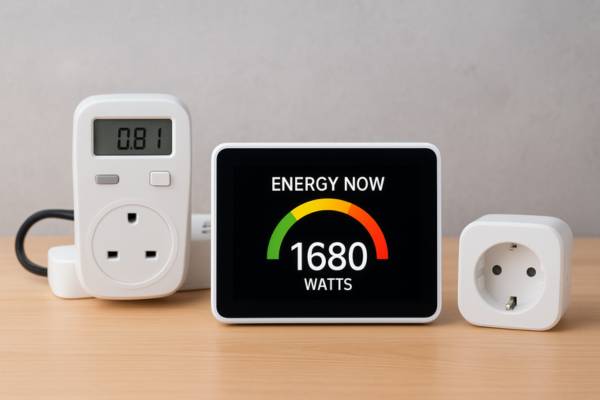
At their core, energy monitoring devices are tools that help track and understand how much electricity a household or even specific appliances are using. They provide real time insights that were once hidden behind a monthly bill.
The Basics of Tracking Energy Usage
Traditionally, you’d wait until the end of the month to see how much energy your home consumed. By then, it was too late to change anything. Energy monitors shift that dynamic by giving you real time feedback.
The U.S. Department of Energy notes that appliances like refrigerators, dryers, and water heaters are among the biggest household consumers of electricity. An energy monitor helps you pinpoint exactly how much each of these appliances contributes to your overall bill.
How They Work in Smart Homes
Most modern energy monitoring devices are designed with smart homes in mind. They connect to WiFi, pair with mobile apps, and sometimes even integrate with voice assistants like Alexa or Google Assistant. This allows you to view data from your phone at any time, set alerts when energy use spikes, or even shut off appliances remotely.
For homeowners building out a smart ecosystem, energy monitors are like the “fitness tracker” for your house tracking habits, spotting inefficiencies, and helping automate better energy decisions.
Types of Energy Monitoring Devices
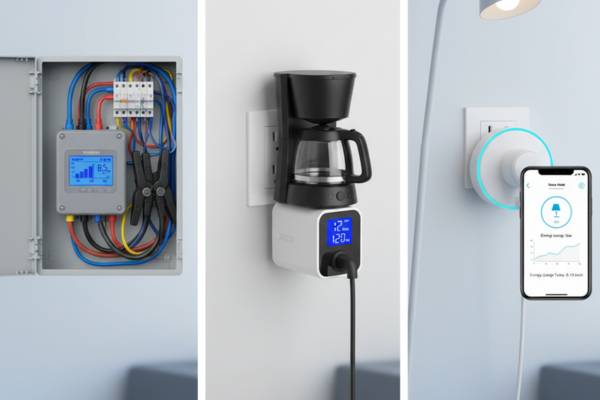
Not all energy monitors are the same. Depending on your needs, you might choose a device that tracks your entire home’s consumption or one that focuses on specific outlets.
Whole Home Energy Monitors
Whole home monitors are installed directly into your electrical panel. They provide a comprehensive view of your energy usage across all appliances and circuits. Advanced models can even detect individual appliances based on their energy “signature.”
These are great for households looking to understand big-picture consumption and make strategic decisions about reducing waste.
Plug Level or Appliance Monitors
If you’re less interested in the entire home and more curious about one or two specific devices, plug-level monitors might be the better option. These are small devices you plug into an outlet, then plug your appliance into them.
They track the energy draw of that specific appliance, making them perfect for finding out whether your second freezer in the garage is worth keeping.
Smart Plugs with Energy Tracking
Smart plugs do more than just let you turn appliances on and off remotely. Many models also include built-in energy monitoring features. This means you get the benefit of both convenience and insight. For example, you can set a lamp to turn off automatically at night while also tracking how much power it uses.
Benefits of Energy Monitoring
Why invest in an energy monitoring device? The benefits go beyond curiosity.
Identifying High Energy Appliances
Most homes have at least one appliance that’s a silent energy hog. With an energy monitor, you can identify these devices quickly. For instance, you might discover your older water heater consumes far more electricity than expected, making a replacement worth the investment.
Reducing Electricity Waste
We often leave electronics plugged in, even when they’re not actively being used. These so called “phantom loads” or standby power drains can add up over time. According to ENERGY STAR, idle electronics can waste 5-10% of household energy each year. Monitoring devices highlight this waste, giving you the information you need to unplug, switch off, or automate solutions.
Lowering Utility Bills
The ultimate benefit is, of course, cost savings. When you know where your electricity is going, you can make changes that directly impact your bill whether that’s adjusting usage times, upgrading inefficient appliances, or automating shut off schedules.
Real Savings Potential
Many homeowners wonder whether energy monitors actually translate into measurable savings. The answer is yes when used correctly.
Average Cost Reductions from Monitoring
Research published in the journal Energy Research & Social Science shows that households using energy monitoring devices can cut electricity use by 5% to 15% on average. While that might not sound like much, consider a $200 monthly electric bill. That’s a savings of $10 to $30 each month or up to $360 a year.
Case Studies & Research Data
- A family in California installed a whole-home energy monitor and discovered their pool pump was running inefficiently. By upgrading, they reduced annual electricity costs by nearly $500.
- A Lawrence Berkeley National Laboratory study found that real-time feedback encourages consistent behavior changes, such as running laundry during off-peak hours and unplugging idle electronics.
These stories highlight how small adjustments informed by monitoring can lead to significant savings.
Things to Consider Before Buying
Not all devices are created equal. Here are some important factors to keep in mind before making a purchase.
Accuracy & Reliability
Look for devices with proven accuracy. A monitor that’s off by even a small percentage can give misleading data, undermining its purpose. Trusted brands often publish their accuracy ratings, so check the specs carefully.
App Usability & Reporting Features
Since most energy monitoring devices rely on mobile apps, the app’s design and usability matter. A clunky interface might discourage you from checking your data. The best apps offer clear graphs, historical comparisons, and easy to read reports.
Installation (DIY vs Pro)
Plug-level monitors are simple to set up just plug them in. Whole home monitors, however, often require installation inside the electrical panel. Depending on your comfort level, you might want to hire a professional electrician for safety and accuracy.
Popular Energy Monitoring Devices (Overview)
Here’s a quick look at some of the most talked-about devices on the market:
- Sense Energy Monitor-Known for its ability to recognize individual appliances through machine learning.
- Emporia Vue-Affordable, with detailed circuit level monitoring.
- TP-Link Kasa Smart Plugs-Great for single-device tracking with additional smart plug functionality.
These are just a few examples, and the “best” option depends on your household’s needs and goals.
FAQ
Final Thoughts
Energy monitoring devices are more than gadgets; they’re tools for smarter living. They empower homeowners with knowledge, reduce unnecessary waste, and make it easier to integrate energy-saving habits into everyday routines. Whether you’re building a fully connected smart home or just looking for ways to trim your utility bills, these devices are a worthy investment.
If you’re ready to dive deeper into practical tips, check out our Smart Home Energy & Efficiency Guide. And if you’re shopping for the latest options, don’t miss our curated list of the Savant Home Automation Solutions Revolutionizing Your Home