
How Smart Thermostats Save Money
How smart thermostats save money is a question many homeowners are asking as energy costs continue to climb. Month after month, utility bills seem to rise, leaving families searching for practical solutions to cut expenses without sacrificing comfort. Heating and cooling remain the largest share of household energy use, which means even small improvements in efficiency can have a big impact on your bottom line.
That’s where smart thermostats come in. These devices don’t just add modern convenience they use intelligent features like learning schedules, motion detection, and weather tracking to reduce waste and optimize your energy use. The result? Lower bills, improved comfort, and a system that practically pays for itself over time.
In this guide, we’ll explore in detail how smart thermostats save money, look at real world data from leading brands like Nest and Ecobee, and explain the additional benefits beyond dollars and cents. By the end, you’ll know exactly what kind of return on investment to expect and whether upgrading to a smart thermostat is the right move for your home.
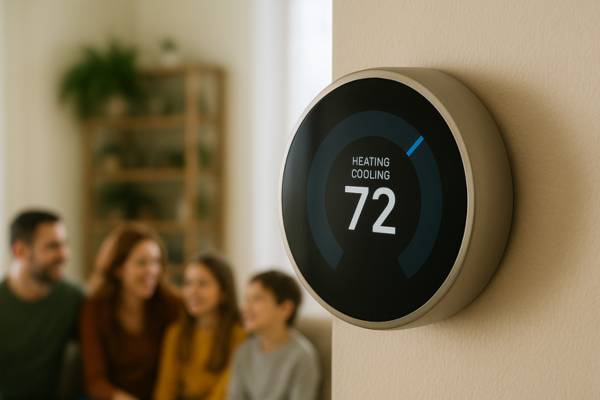
Why Rising Energy Bills Make Smart Thermostats Save More Money
Energy costs have been climbing steadily for years, and homeowners are feeling the pinch. To understand why smart thermostats can make such a big impact, it helps to look at the forces driving those higher bills.
What Makes a Thermostat “Smart”
Smart thermostats go far beyond simple temperature control. They’re designed to learn your habits, adjust automatically, and give you deeper insight into how your home uses energy.
1. Learning & Adaptive Scheduling
Instead of relying on you to set schedules manually, many smart thermostats learn your patterns. If you typically leave at 8 a.m. and return around 6 p.m., the thermostat adapts, making sure your system runs only when needed.
2. Remote Control via Apps
Ever left for vacation and realized you forgot to turn down the heat? With a smart thermostat, you can adjust settings from anywhere using your smartphone. This prevents wasted energy when you’re away.
3. Integration with Smart Homes
Smart thermostats often connect seamlessly with other devices—like smart speakers, lighting, or even occupancy sensors creating a more efficient, automated ecosystem.
How Smart Thermostats Actually Save Money
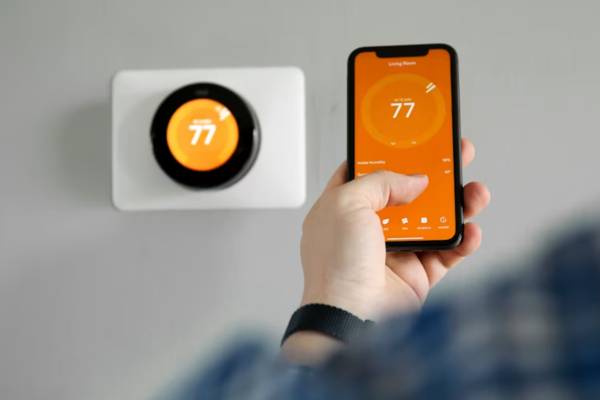
So, how does this translate into dollars and cents? Here are the core ways these devices help reduce energy waste:
1. Reducing Wasted Heating & Cooling
By optimizing run times and temperatures, smart thermostats prevent your system from overworking. Even shaving a degree or two off the thermostat can cut bills by up to 3%.
2. Geofencing & Motion Detection
Many models use your phone’s GPS or built-in motion sensors to detect when you’re home. If the system knows no one’s around, it automatically adjusts temperatures to avoid waste.
3. Seasonal & Weather-Based Adjustments
Smart thermostats often pull in real-time weather data. On sunny winter days, they might let your home warm naturally, while on hot days, they adjust cooling based on outside humidity.
Real Data on Energy Savings
1. Nest Study Results (up to 10-15% savings)
Google Nest reports that their users save an average of 10-12% on heating and 15% on cooling annually. For many households, that equals $131-$145 per year.
2. Ecobee Energy Reports
Ecobee users report similar savings, with independent studies showing an average of 23% reduction in HVAC energy costs. The thermostat also provides monthly “Home IQ” reports so users can track savings.
3. Average Homeowner ROI
Most smart thermostats cost between $100-$250. If your annual savings are around $150, the device pays for itself in less than two years. After that, it’s pure savings year after year.
Additional Benefits Beyond Savings
While the financial ROI is clear, there are other reasons people make the switch.
1. Comfort & Convenience
With features like adaptive scheduling and voice control, smart thermostats create a more comfortable living environment with less effort.
2. Energy Usage Insights
Detailed usage reports let you see exactly when and how your energy is being consumed. This data can help you make smarter choices beyond thermostat settings.
3. Environmental Impact
Every kilowatt saved reduces greenhouse gas emissions. Switching to a smart thermostat is a small but impactful way to lower your household’s carbon footprint.
Smart Thermostats Worth Considering
If you’re convinced to try one, here are some of the leading models:
- Google Nest Learning Thermostat – Best for adaptive learning and sleek design.
- Ecobee Smart Thermostat Premium – Great for energy reports and built-in Alexa.
- Honeywell Home T9 – Strong option with reliable scheduling and room sensors.
Note: Each brand offers unique strengths. The best choice depends on your budget, existing smart home setup, and personal preferences.
FAQ
Smart Thermostats A Small Upgrade and Big Savings
Smart thermostats are no longer just shiny gadgets for tech enthusiasts they’ve become practical tools for anyone looking to cut costs and live more sustainably. By learning your habits, adjusting in real time, and preventing wasted energy, these devices directly translate into smaller energy bills and a lower carbon footprint.
Of course, the exact savings depend on your home, your local climate, and how much you already try to conserve energy. But the data is consistent: from Nest to Ecobee and beyond, most households see noticeable reductions in their heating and cooling costs within the first year. That’s why many experts view smart thermostats as one of the simplest and fastest payback upgrades in the smart home ecosystem.
If you’re exploring ways to make your home more efficient, a smart thermostat is an easy place to start. Pair it with other smart energy tools like lighting, plugs, or appliances and you’ll multiply your savings while creating a more comfortable, connected space.
👉 Ready to dive deeper? Check out our full [Smart Home Energy & Efficiency Guide] for more ways to cut costs, or explore our roundup of the Savant Home Automation Solutions Revolutionizing Your Home to find the perfect match for your home.